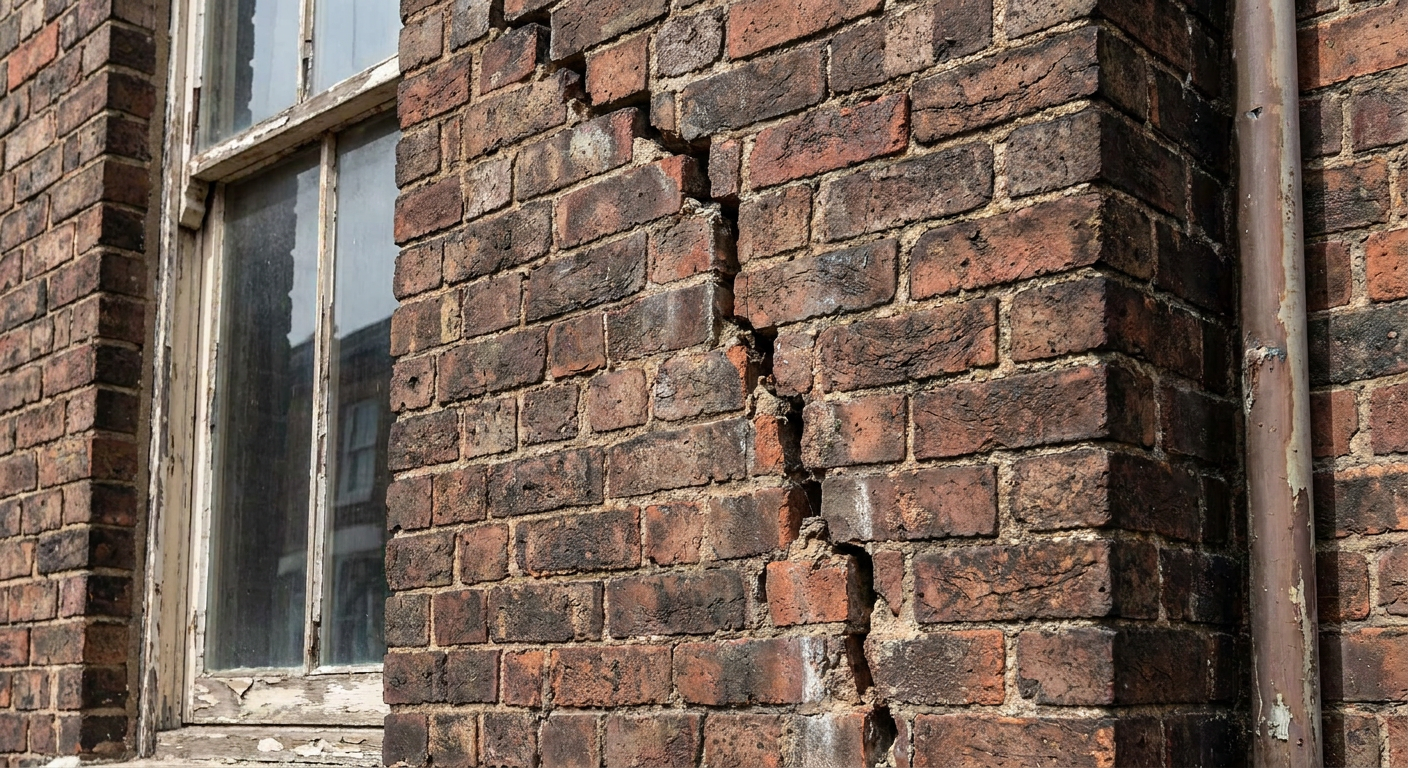
Subsidence investigation and advice
Cracks appearing in walls, doors sticking or floors sloping can signal movement in your home. In Leeds, where many properties sit on clay soils that shrink and swell with moisture changes, these signs often raise fears of subsidence, but they can also stem from harmless settlement, thermal expansion or leaking drains.
Movement in your home isn’t always subsidence
Diagonal cracks wider at one end, especially near windows or corners, often prompt concern. But many older homes in areas like Headingley or Chapel Allerton show minor cracking from normal settling or seasonal timber movement. A specialist distinguishes between routine wear and genuine foundation issues by checking crack patterns, monitoring movement over time, and assessing soil and drainage conditions around your property.
In Leeds, clay-rich ground reacts strongly to dry summers and wet winters. Tree roots drawing moisture from the soil, broken drains softening the ground, or even recent nearby construction can all mimic or trigger subsidence-like symptoms. Only a targeted inspection settles whether the movement is active, structural, and requires intervention.
What each service clarifies for you
A specialist uses specific methods to isolate the cause of movement and confirm whether it’s covered under buildings insurance or needs repair.

Subsidence Investigation and Advice
Confirms whether observed movement stems from true subsidence, heave, thermal effects or benign settlement, and whether further action is needed.

Underpinning Work Explained
Determines if foundation strengthening is necessary and explains why it may or may not be the appropriate solution for your property.

Cracked Concrete Floors, Slabs and Walls
Assesses whether cracks in concrete elements result from ground movement, poor original construction, or surface drying, and whether they threaten structural integrity.
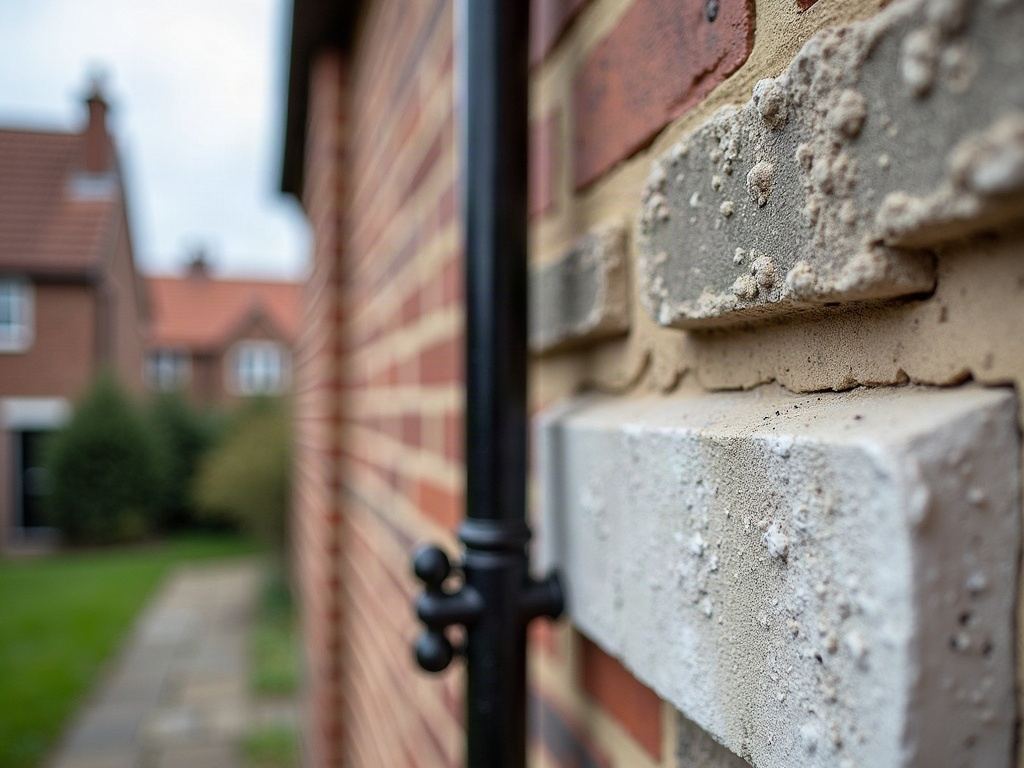
Resin Injection Ground Stabilisation
Evaluates if injecting structural resin beneath the slab can re-level floors and stabilise soft ground without major excavation.
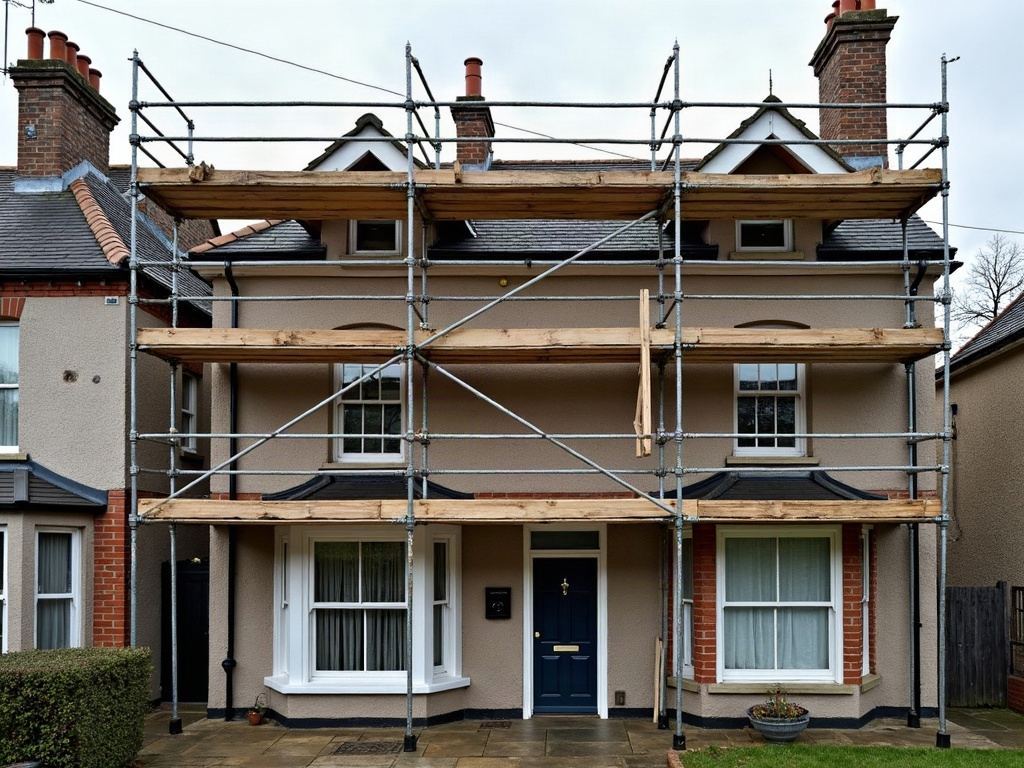
Screw Piling for Foundations
Checks if helical piles offer a faster, less disruptive alternative to traditional underpinning for transferring load to stable strata.
How the assessment unfolds for you
You stay informed at every stage, with no obligation after the initial contact.
Submit your enquiry
Specialist contacts you
A local specialist covering your area reaches out directly to discuss your concerns and arrange a site visit if needed.
On-site inspection
The specialist surveys the property, records crack locations and widths, checks drainage, and may install monitoring devices to track movement.
Clear findings shared
You receive a plain explanation of what’s causing the movement and whether it requires repair, monitoring, or no action at all.
What you’re left holding afterwards
You gain clarity, not just paperwork, and the freedom to decide what comes next.
Written summary
A concise report detailing observations, likely causes, and recommended actions, which you can share with your insurer if pursuing a claim.
No-pressure advice
The specialist explains options without pushing unnecessary work; many cases turn out not to need underpinning or major intervention.
Insurance-ready documentation
If your policy covers subsidence, the report includes the technical detail insurers typically request to assess a claim.
Local knowledge applied
Before you get in touch
Does every crack mean subsidence?
No. Hairline cracks in plaster are common in older homes and often result from seasonal timber movement or minor settlement. Diagonal cracks wider than 3mm, especially if they’re growing or accompanied by sticking doors, warrant closer inspection.
Will my buildings insurance cover this?
Many policies include subsidence cover, but exclusions apply, such as damage from trees you planted after buying the property. Check your policy wording and notify your insurer early if you suspect a claimable issue.
How long does an investigation take?
An initial site visit usually happens within days. If movement monitoring is needed, it may run for several months to confirm whether the problem is active or historic.
Do I need to act straight away?
Not always. If cracks are stable and narrow, a specialist may recommend monitoring first. Urgent action is only needed if movement is rapid, severe, or compromising structural safety.
What you have read here is general background on subsidence rather than guidance about your own building, and only an inspection can say what holds true at your address.
Get clarity on what’s moving
Send your details and a specialist covering Leeds or your local town will contact you directly.