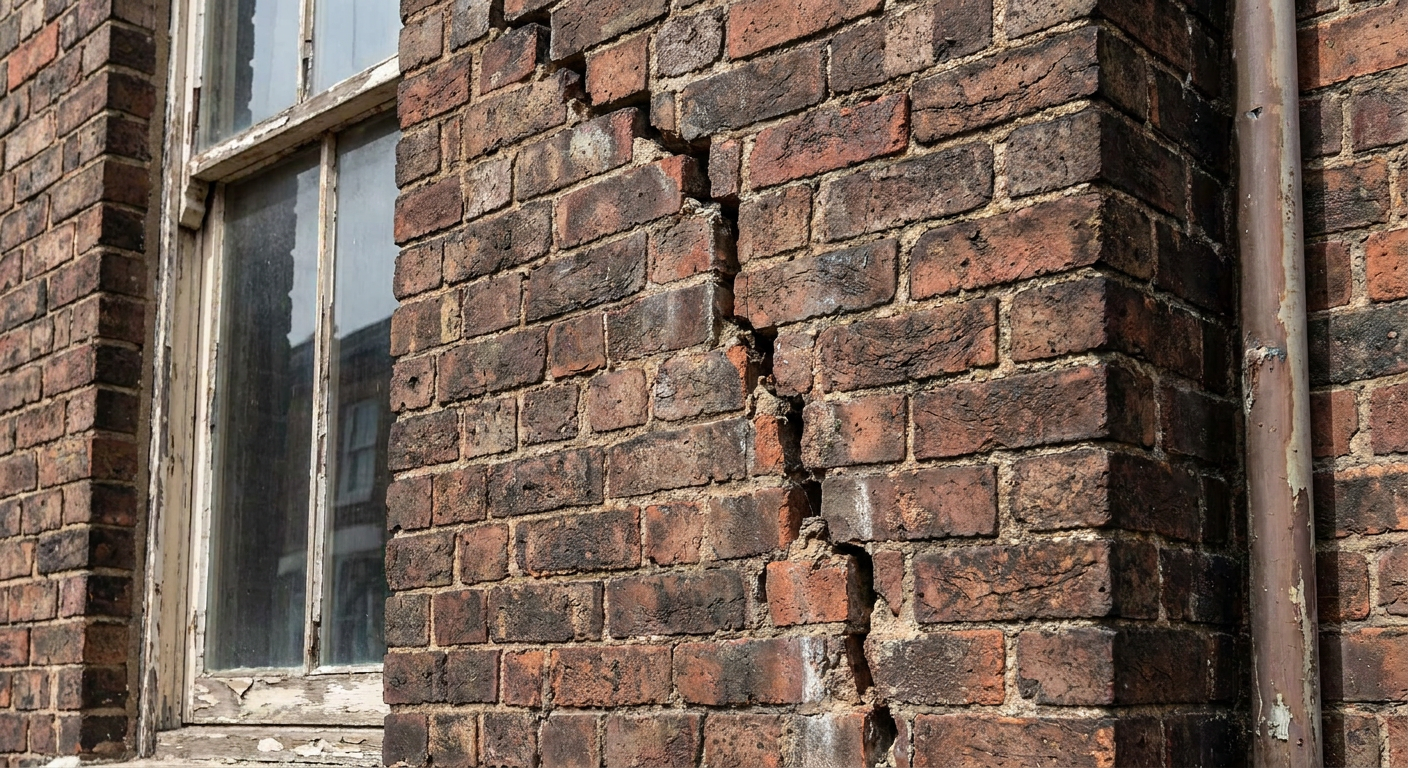
Subsidence help in Leeds
If you’ve noticed new cracks, doors that stick or uneven floors in your home, it’s natural to worry. A specialist can determine whether it’s serious movement or something less concerning.
What we help you understand
The visible crack is rarely the full story. What matters is what it tells a specialist about movement beneath your home, and whether action is needed.

Subsidence Investigation and Advice
A specialist surveys the property, checks crack patterns and monitors movement over time to assess whether foundations are failing or if the issue is cosmetic.

Underpinning Work Explained
Where foundation failure is confirmed, underpinning may be required; the specialist explains whether it’s necessary and what the process involves for your home.

Cracked Concrete Floors, Slabs and Walls
Not all concrete cracking signals subsidence, some results from shrinkage or thermal movement; a specialist identifies the cause and whether structural repair is needed.
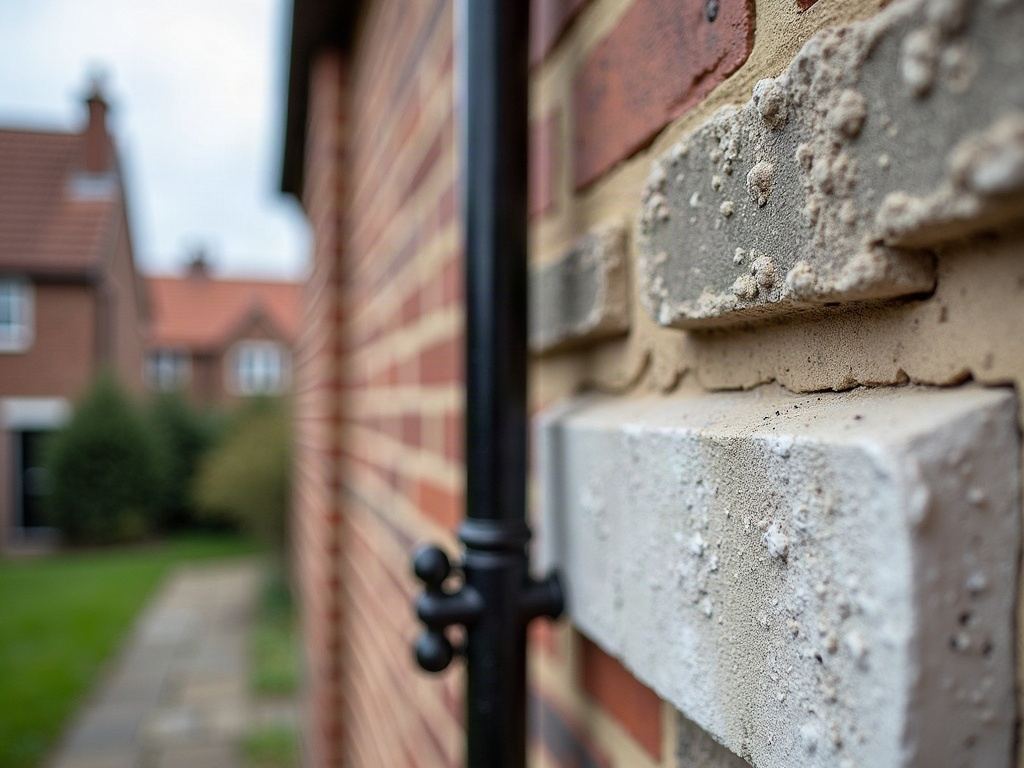
Resin Injection Ground Stabilisation
For minor settlement or voids beneath slabs, resin injection can re-level floors without excavation; the specialist determines if it’s suitable for your situation.
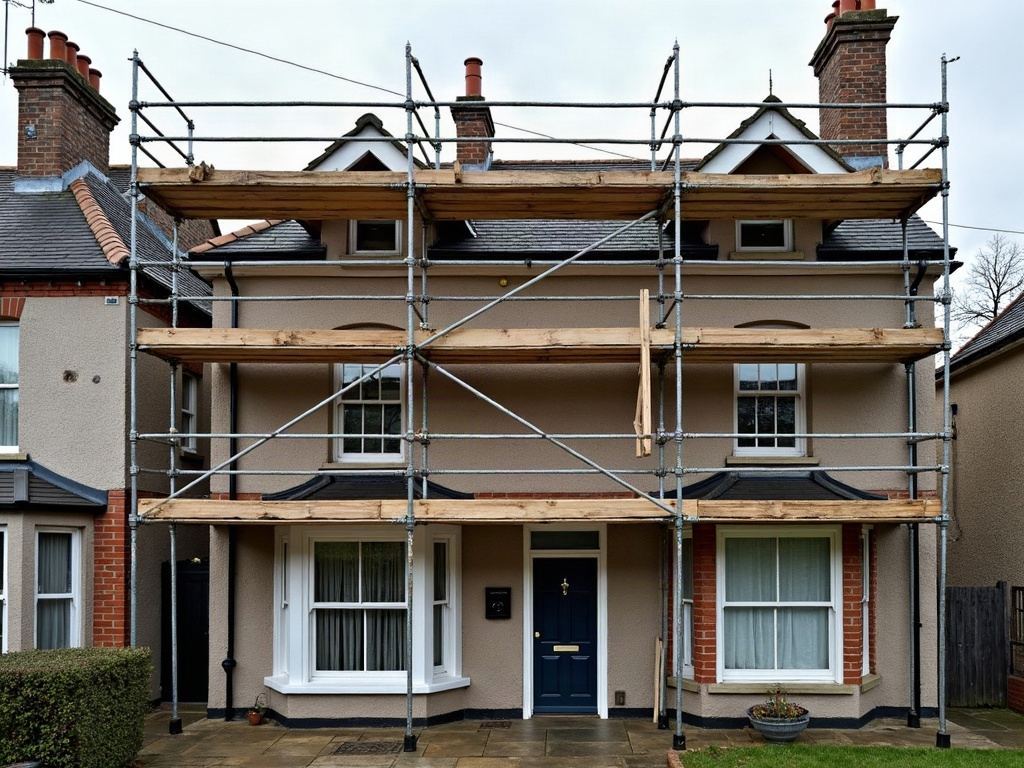
Screw Piling for Foundations
In cases where deeper support is needed, screw piling offers a minimally disruptive alternative to traditional underpinning; the specialist advises if it applies to your property.
What usually causes movement in Leeds homes
Many properties across Leeds sit on clay-rich ground that expands when wet and shrinks in dry spells. This seasonal movement often shows as fine diagonal cracks near windows or doors, especially in older homes built before 1950.
Tree roots drawing moisture from the soil, leaking drains softening the ground, or changes in local drainage can also trigger movement. In areas like Headingley, Roundhay or Alwoodley, where mature trees line streets, root activity is a frequent factor. The specialist checks for these local patterns during their assessment.
What people ask us about subsidence
Do all cracks mean subsidence?
No. Hairline cracks in plaster are common in older homes and often harmless. Diagonal cracks wider than 3mm, especially near windows or corners, or cracks that widen over time, are more likely to need investigation.
Will my buildings insurance cover this?
Some policies cover subsidence-related damage, but not all. Check your policy wording or speak to your insurer. The specialist can provide a factual report you may choose to submit with a claim.
How long does an assessment take?
A site visit typically takes half a day. The specialist examines internal and external walls, checks levels, inspects drains if accessible, and may return for follow-up measurements if movement appears recent.
Do I need to act straight away?
Not always. If cracks have been stable for years and show no signs of widening, monitoring may be enough. Sudden changes, sticking doors or visible slopes warrant prompt inspection.
What you have read here is general background on subsidence rather than guidance about your own building, and only an inspection can say what holds true at your address.
Ask about your property
There’s no charge for submitting your details, and you’re free to get other quotes once you’ve spoken with the specialist.