
Subsidence help in Seacroft
If you’ve noticed new cracks in your walls, sticking doors or sloping floors in your Seacroft home, it’s worth getting them properly checked. Movement can be harmless, but some patterns need expert assessment to rule out foundation issues.
Seacroft homes and ground conditions
Seacroft sits within the wider Leeds area, where housing varies from interwar semis to post-war estates and newer developments. The mix means foundations respond differently to seasonal changes, tree roots and drainage issues.
Many properties here share typical East Leeds traits: shallow footings on variable ground, proximity to mature trees, and older drainage that may leak unnoticed. These factors don’t mean you have subsidence, but they’re what a specialist will consider when inspecting your home.
Signs we see in Seacroft homes
These are the common indicators that prompt a specialist visit in this part of Leeds:

Subsidence Investigation and Advice
A specialist surveys your property to determine whether cracks or movement stem from foundation issues, seasonal shrinkage or other causes, and explains what, if anything, needs doing.

Underpinning Work Explained
Where significant foundation failure is confirmed, underpinning may be recommended. The specialist will outline whether it’s necessary, how it’s carried out, and what disruption to expect.

Cracked Concrete Floors, Slabs and Walls
Cracks in concrete elements can signal ground movement or just drying shrinkage. A specialist checks their pattern, width and location to judge if they’re structural or cosmetic.
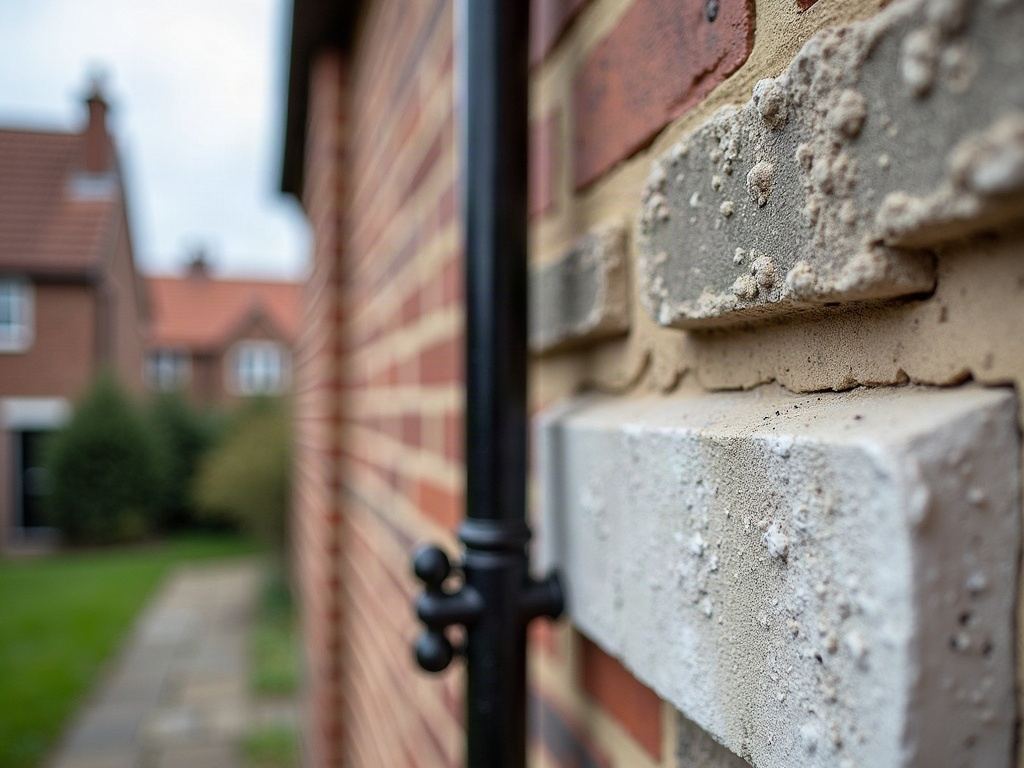
Resin Injection Ground Stabilisation
This method lifts and stabilises slabs by injecting structural resin beneath them. It’s often used where traditional underpinning isn’t practical or where minor settlement has occurred.
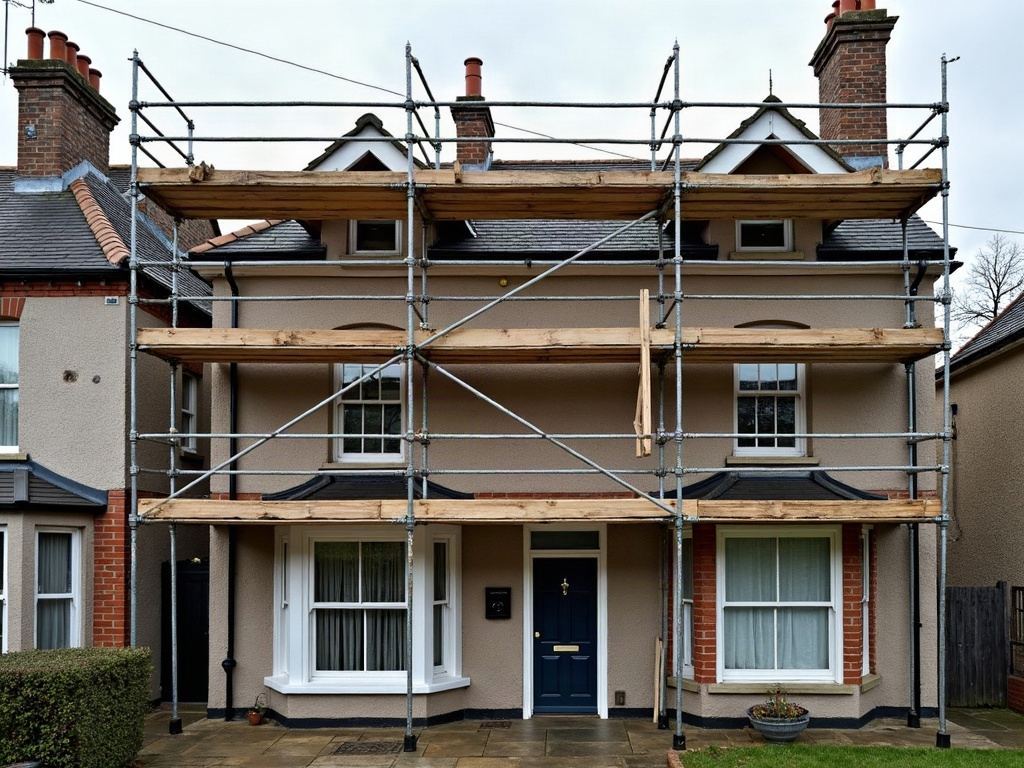
Screw Piling for Foundations
Screw piles offer a minimally invasive way to support or reinforce foundations. They’re suitable for certain soil types and can be installed with less disruption than conventional methods.
What you receive after a visit
The specialist who inspects your Seacroft property provides clear findings and options:
Measured crack records
Every visible crack is logged with width, direction and location, key evidence if you later contact your insurer.
Photographic documentation
Photos are taken systematically to show the extent and pattern of any movement, helping distinguish old from new damage.
Written assessment
You get a plain-English report outlining the likely cause, whether action is needed, and possible repair methods suited to your home.
Insurance-ready details
If your buildings insurance covers subsidence, the report includes the technical detail insurers typically request, but check your policy first.
Repairs suited to Seacroft properties
Subsidence help in Seacroft starts with diagnosis, not assumptions. A specialist might find no work is needed, or recommend targeted intervention.
Underpinning is only used where foundation failure is confirmed; elsewhere, resin injection or screw piling may offer faster, less disruptive solutions. Concrete cracking is often monitored first, as many hairline cracks pose no structural risk.
The right approach depends on your home’s age, construction, and what the ground is doing beneath it, not on a standard fix.
What people ask us about subsidence
Do I need to contact my insurer first?
Check your buildings insurance policy, some cover subsidence investigations. You can ask the specialist for a report to send if you decide to make a claim.
How soon can someone visit?
The specialist who takes your enquiry will contact you directly to arrange a convenient time for a site visit.
Will every crack need fixing?
No. Many cracks are cosmetic or historic. A specialist distinguishes these from signs of active movement that may need intervention.
Are the repairs disruptive?
It depends on the cause and solution. Resin injection or screw piling can often be done with minimal disturbance compared to traditional underpinning.
What you have read here is general background on subsidence rather than guidance about your own building, and only an inspection can say what holds true at your address.
Get a clear answer
There’s no charge for submitting your details, and you’re free to get other quotes after speaking with the specialist.