Underpinning or resin injection: how the repair is chosen
Movement in your walls or floors doesn’t automatically mean underpinning. The right repair depends on what’s causing the movement, the type of ground beneath your home, and the construction of the property itself. A specialist will assess these factors before recommending any work.
In Leeds and surrounding areas like Headingley, Rothwell or Wetherby, many homes sit on variable ground, clay that shrinks in dry spells, made-up ground from older industry, or sand that shifts after heavy rain. That means two houses with similar cracks might need completely different solutions.
The choice isn't one-size-fits-all
Underpinning, resin injection and screw piling all address foundation movement, but they work in different ways and suit different situations. Underpinning strengthens existing footings by extending them deeper; resin injection fills voids and compacts loose soil; screw piling transfers the load to a more stable layer using helical piles driven into the ground. Which method is appropriate depends entirely on what the survey reveals about your property and its ground conditions.
How the decision gets made
A specialist starts with a detailed site inspection, not assumptions.
Crack mapping
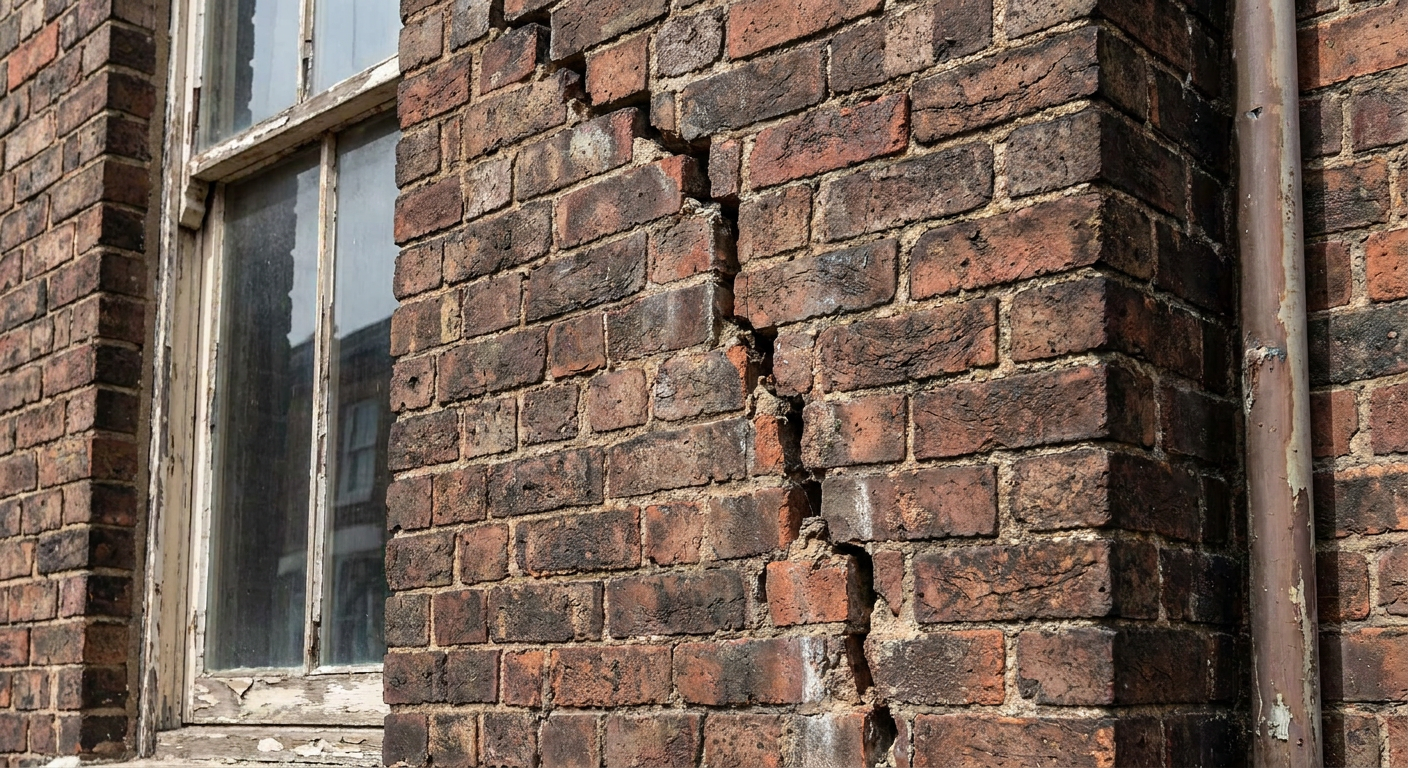
The specialist records the width, direction and location of every crack, diagonal cracks near windows often signal subsidence, while hairline vertical cracks may just be drying shrinkage.
Soil testing
Trial pits or boreholes show whether the ground is clay, sand, gravel or made-up fill, and how deep stable strata lie beneath the property.
Drain checks
Leaking drains soften clay or wash away granular soils, so CCTV surveys of underground pipes are often part of the assessment.
Structural review
The age, materials and layout of your house affect which repair method will work best without causing new stress points.
Monitoring period
In some cases, movement is recent or seasonal, and the specialist may install tell-tales to measure ongoing movement before deciding on permanent works.

What each repair actually involves
Traditional underpinning involves excavating short sections beneath the existing footing, pouring concrete, and allowing it to cure before moving to the next bay. It’s labour-intensive and disruptive, but effective where deep, stable ground exists below weak upper layers.
Resin injection uses small drilled holes to pump expanding structural resin into the soil. The resin compacts loose material and can even lift settled slabs slightly. It’s less invasive, often completed in a day, and leaves minimal surface disruption.
Screw piling drives steel piles with helical plates into the ground until they reach load-bearing strata. A bracket then connects the pile to the building’s footing. This method suits sites with very poor upper soils or limited access, and provides immediate support.
Why the recommendation can be trusted
The specialist bases their advice on direct observation and physical evidence, not guesswork. Their report explains the findings clearly and sets out why one method fits your situation better than another.
On-site investigation
Every recommendation follows hands-on checks, no decisions are made from photos or descriptions alone.
Soil-specific approach
Clay behaves differently from sand or made-up ground, and the repair method matches the actual ground conditions found.
No push to sell
The specialist quotes for the work that’s needed, not the most expensive option. If no structural repair is required, they’ll say so.
Clear written report
You receive a full explanation of the cause, the proposed solution, and why alternatives were ruled out, useful if you’re dealing with an insurer.
Questions we hear in Leeds
Is resin injection as strong as underpinning?
It depends on the ground and the structure. Resin injection stabilises soil and can support light to medium loads effectively, but underpinning may be needed for heavier buildings or where deep stability is required.
Will I need planning permission for underpinning?
Can screw piling be used on a semi-detached house?
Yes, provided there’s enough external access and the neighbouring property isn’t affected. The specialist will check party wall implications during the survey.
How long does the repair take?
Resin injection often finishes in a day. Underpinning or screw piling typically takes one to three weeks, depending on the length of wall and ground conditions.
More on subsidence
Advice
Advice and guides
Is It Subsidence, or Just an Old Crack?
What different crack patterns mean and when to call a specialist.
Subsidence and Your Buildings Insurance
What your buildings insurance may cover for subsidence in Leeds.
Trees, Clay Soils and Leaking Drains
What to check when your home moves near trees or old drains.
They look at crack patterns, check levels across floors and walls, and often carry out trial pits or boreholes to examine the soil and foundations directly.
- Insurance input: If you have buildings insurance, the insurer may require specific evidence before approving a claim, which the specialist can include in their report.
Local experience
Specialists covering Leeds, Pudsey, Otley and Boston Spa understand the area’s mix of Victorian terraces, post-war estates and newer builds on variable ground.
Independent judgement
The specialist contracts with you directly and decides the scope of work based solely on what your property needs.
What you have read here is general background on subsidence rather than guidance about your own building, and only an inspection can say what holds true at your address.
Find out what your home needs
A specialist will inspect your property and explain which repair method suits your situation, if any is needed at all.