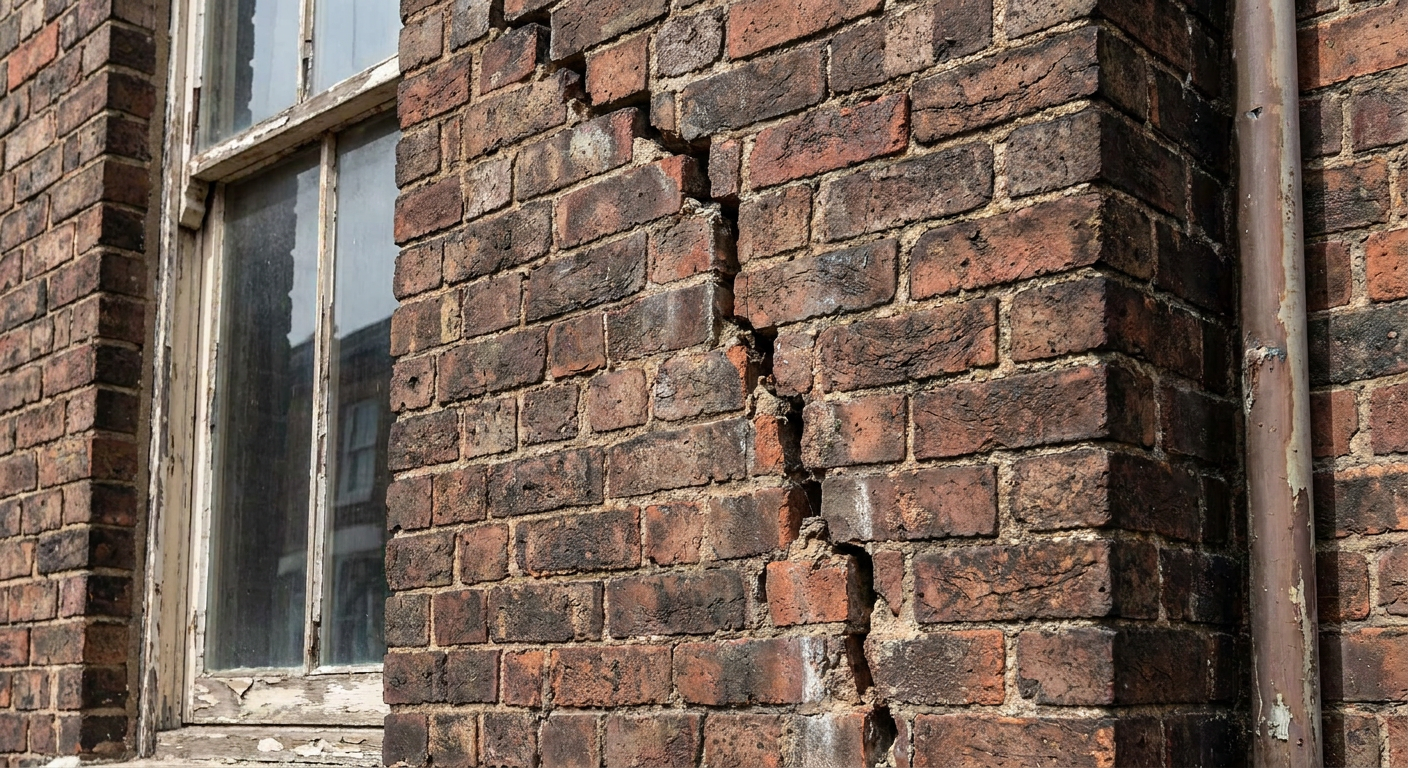
Subsidence help in Pudsey
If you’ve spotted fresh cracks in walls, doors that no longer close properly, or sloping floors in your Pudsey home, it’s worth getting a clear assessment. Movement can look alarming but isn’t always serious, what matters is understanding whether it’s ongoing and what’s causing it.
Pudsey homes and ground movement
Pudsey sits on the edge of the Leeds-Bradford corridor, where older housing meets variable ground conditions. Many homes here were built before 1940, often on shallow foundations that respond to changes in soil moisture.
Terraced and semi-detached properties are common, and some sit on slopes where drainage issues or nearby trees can affect stability over time.
Signs that suggest subsidence in Pudsey homes
These are typical indicators seen across Pudsey properties that may point to foundation movement:

Subsidence Investigation and Advice
A specialist surveys the property to determine whether cracks or movement are active, historic or unrelated to foundation failure.
Underpinning Work Explained
Where foundation depth is insufficient, underpinning strengthens the base by extending it deeper into stable ground.

Cracked Concrete Floors, Slabs and Walls
Cracks in concrete elements can signal settlement, heave or shrinkage; their pattern and width help distinguish between causes.
Resin Injection Ground Stabilisation
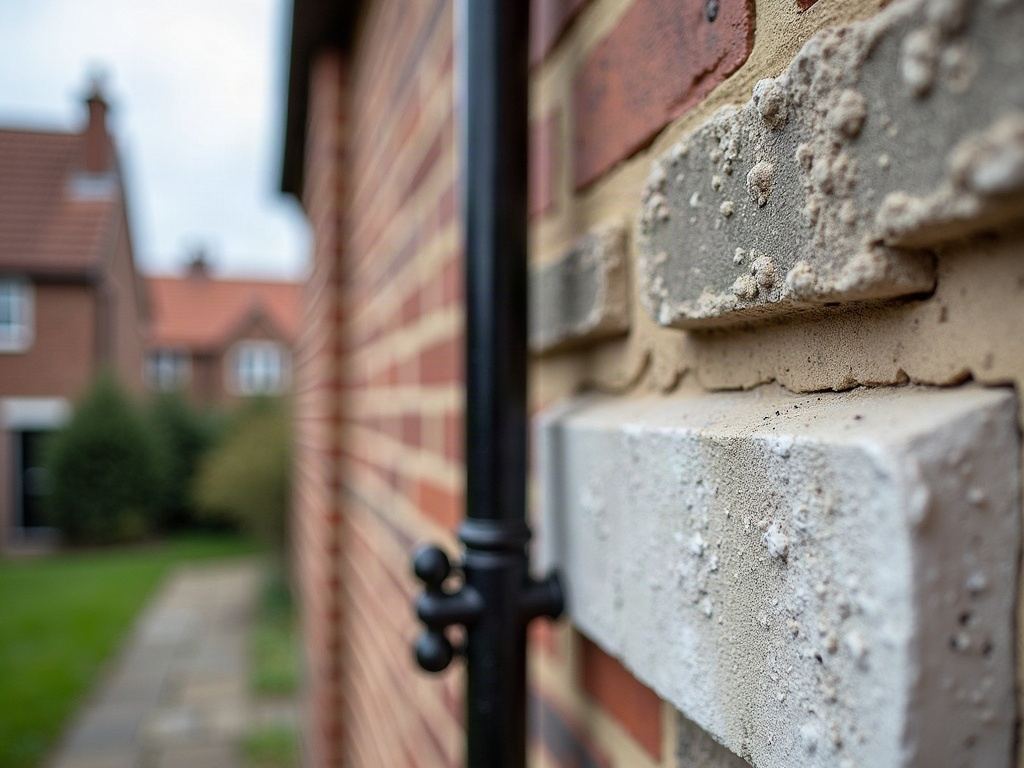
Liquid resin is injected beneath slabs or footings to fill voids, compact loose soil and lift settled sections without major excavation.
Screw Piling for Foundations
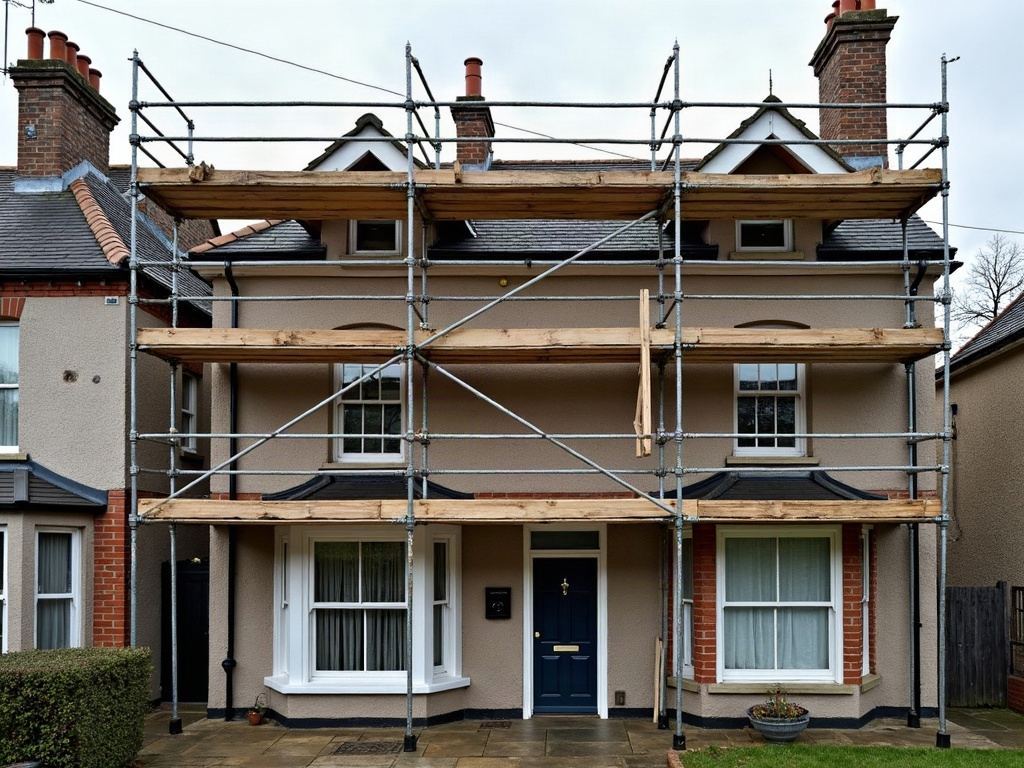
Steel screw piles are driven deep into load-bearing strata to support or replace failing foundations, especially where access is tight.
What you receive after a visit
The specialist who inspects your property provides clear findings based on direct observation and measurement:
Recorded crack widths
Crack monitoring data shows whether movement is continuing, stabilising or has stopped entirely.
Drainage and tree checks
Leaking drains or nearby vegetation are assessed as potential contributors to soil moisture changes.
Written site report
You receive a detailed report outlining the likely cause, recommended actions and options for repair.
Insurance claim support
The report includes technical detail you may choose to submit to your buildings insurer if your policy covers subsidence.
Repairs suited to Pudsey properties
Subsidence help in Pudsey often starts with a careful inspection to rule out non-structural causes like thermal cracking or plaster shrinkage. Where foundation movement is confirmed, the approach depends on the property type, access and underlying ground.
Underpinning remains an option for severe cases, but many homes respond well to less invasive methods such as resin injection or screw piling, which avoid extensive digging and disruption. The specialist who takes your enquiry will explain which method suits your situation and why.
Other pages that may help
Questions we hear in Leeds
Do I need to tell my insurer right away?
Check your buildings insurance policy first. Some require prompt notification, but you’ll usually need a specialist’s report before submitting a claim.
Will the specialist contact me quickly?
The specialist covering Pudsey will contact you directly after we pass on your enquiry to arrange a convenient time to visit.
Can old houses just settle without subsidence?
Yes. Many pre-1940s homes show harmless seasonal movement. A specialist looks for patterns, like diagonal cracks wider at one end, that suggest real foundation issues.
Is there a charge for the initial visit?
You pay nothing to submit an enquiry here. The specialist will explain any costs before carrying out a survey or work.
What you have read here is general background on subsidence rather than guidance about your own building, and only an inspection can say what holds true at your address.
Get clarity on your home’s movement
A specialist covering Pudsey will inspect your property and explain what, if anything, needs to be done.