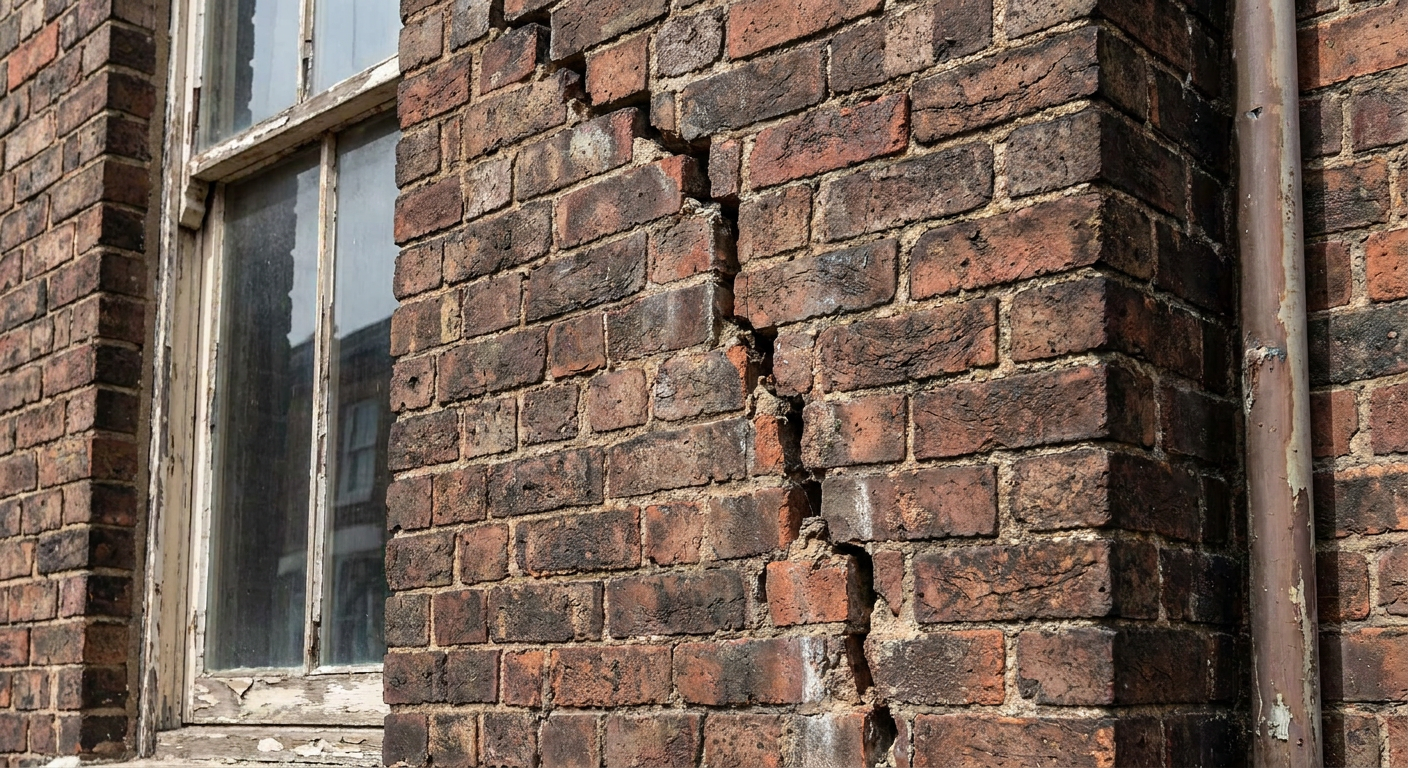
Subsidence help in Horsforth
Movement in a wall or floor is unsettling, especially when you know your neighbours have had underpinning work. In Horsforth, where gardens meet mature trees and older properties line quiet roads, it pays to understand what’s happening beneath the surface.
Horsforth homes and ground conditions
Horsforth sits within the wider Leeds area, where many properties were built on clay-rich soils that respond to seasonal moisture changes. Older stone-built semis and detached villas are common, often with mature trees close to boundaries.
These conditions mean that shrinkage during dry spells, combined with root activity and possible drainage issues, can contribute to foundation movement. While not every crack signals serious trouble, patterns of diagonal cracking near windows or doors, sticking doors, or sloping floors warrant a closer look.
Signs that may need investigation
Different symptoms point to different causes. A specialist can determine whether movement is active, historic or unrelated to subsidence.

Subsidence Investigation and Advice
A specialist surveys the property to assess whether foundation movement is ongoing, identifies likely causes such as soil shrinkage or leaking drains, and advises on necessary next steps.

Underpinning Work Explained
If significant downward movement is confirmed and other options are unsuitable, the specialist explains how underpinning stabilises affected walls by extending foundations to firmer ground.

Cracked Concrete Floors, Slabs and Walls
Cracks in internal slabs or external concrete panels may reflect ground movement or poor original construction; a specialist distinguishes between cosmetic and structural issues.
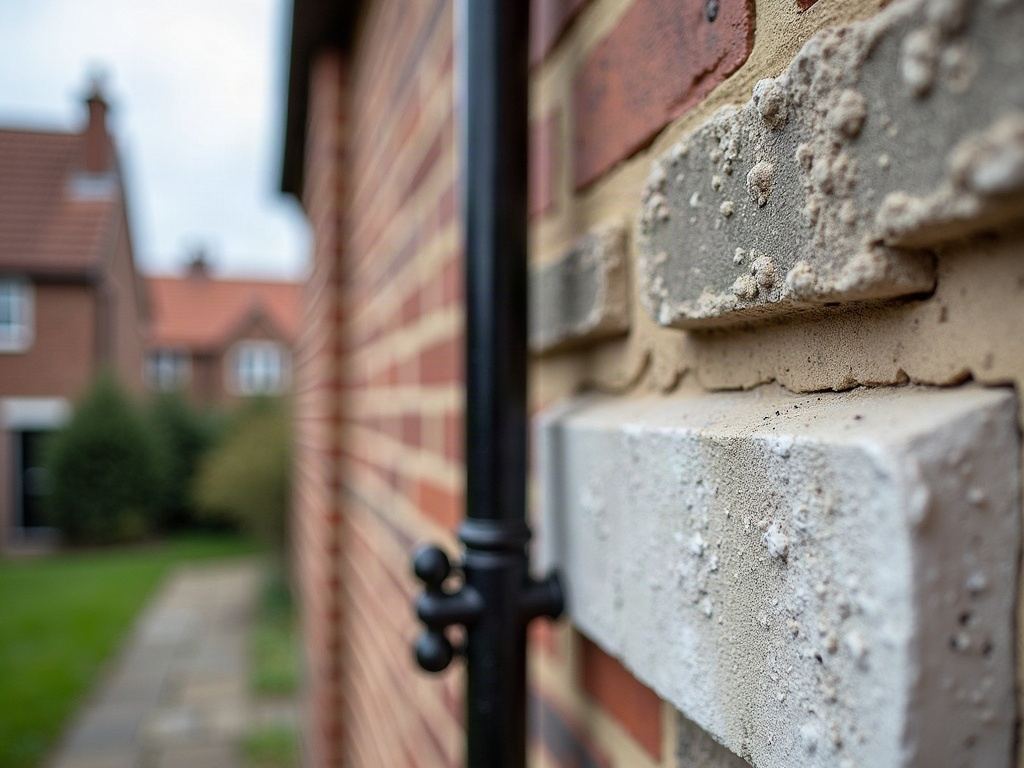
Resin Injection Ground Stabilisation
Where voids or loose fill exist beneath slabs or footings, resin injection can compact the soil and lift settled areas without major excavation.
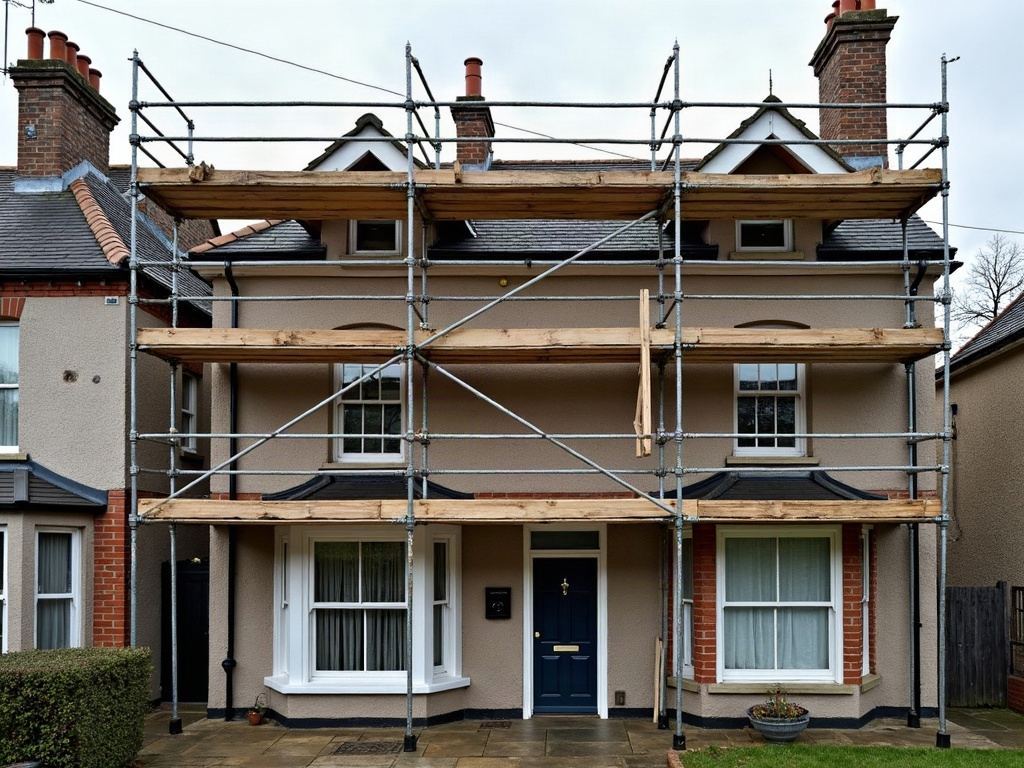
Screw Piling for Foundations
In cases requiring deep support, such as on variable ground or where access is restricted, a specialist may install screw piles to transfer load to stable strata.
What you receive after a visit
The specialist documents findings clearly and provides actionable information, whether or not repair work is needed.
Measured crack mapping
All visible cracks are recorded with width, direction and location to establish whether movement is recent or long-standing.
Photographic evidence
Time-stamped photos show the condition of walls, floors and external features at the time of inspection.
Written assessment
You receive a clear report outlining the likely cause of any movement, its current status, and recommended actions if required.
Insurance-ready documentation
If your buildings insurance covers subsidence, the report includes details your insurer may request to consider a claim.
Services available in Horsforth
Subsidence help begins with a thorough site assessment. From there, solutions are tailored to your property’s age, construction type and the specific ground behaviour observed.
Underpinning, resin injection and screw piling are all techniques used across north-west Leeds, depending on access, depth requirements and the nature of the movement. Concrete cracking is evaluated in context, sometimes it needs repair, sometimes it simply needs monitoring.
The specialist who takes your enquiry works across Horsforth, Yeadon, Guiseley and surrounding parts of Leeds, familiar with local building styles and typical soil responses.
Straight answers on subsidence
Do all cracks mean subsidence?
No. Hairline cracks in old plaster or along mortar joints are often just settlement or thermal movement. Subsidence typically shows as widening diagonal cracks, especially near openings, that appear or grow over months.
Will my insurer cover the cost?
Some buildings policies include subsidence cover, but excesses can be high and claims may affect future premiums. Check your policy wording or speak to your insurer, the specialist can provide a report if needed.
How long does an inspection take?
A typical site visit lasts 60 to 90 minutes. The specialist examines internal and external walls, checks levels, looks for drain issues and notes nearby vegetation that could influence soil moisture.
What you have read here is general background on subsidence rather than guidance about your own building, and only an inspection can say what holds true at your address.
Get clarity on your home’s movement
There’s no charge for submitting your details, and you’re free to get other quotes after speaking with the specialist.