
Subsidence help in Moortown
Cracks appearing near windows or along extension walls in Moortown often prompt concern about foundation movement. Many houses here were built as post-war semis or 1930s detached properties, with mature trees lining streets like King Lane and Wigton Lane. Seasonal drying of clay soils beneath these homes can lead to subtle shifts that show first as hairline fractures inside or out.
Moortown’s housing and typical movement signs
Moortown has a mix of interwar semis and detached homes, many with single-storey rear extensions added decades ago. These junctions, where old brick meets newer blockwork, are common spots for stepped or vertical cracking.
Mature trees on roads such as The Avenue or Oak Tree Drive draw moisture from the underlying clay, especially in dry summers. That seasonal shrinkage can cause minor settlement, which sometimes stabilises on its own, but not always.
Signs you might see in Moortown homes
Each of these services addresses a specific pattern of movement or damage seen across North Leeds properties.

Subsidence Investigation and Advice
A specialist surveys the property to determine whether cracks stem from active subsidence, thermal movement, or past settlement that has since stabilised.
Underpinning Work Explained
Where foundations have lost support, underpinning may be needed to transfer the load deeper into stable ground, typically only after monitoring confirms ongoing movement.

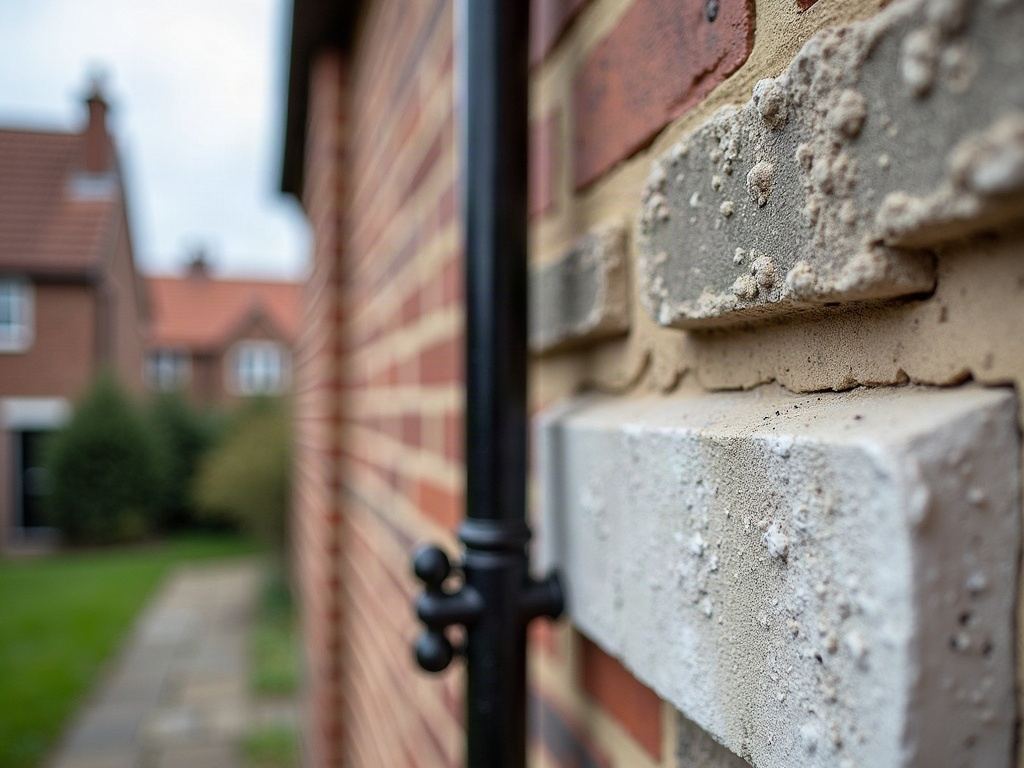
Cracked Concrete Floors, Slabs and Walls
Cracks in garage floors, conservatory bases or internal slabs can signal differential settlement; a specialist checks if they link to broader foundation issues.
Resin Injection Ground Stabilisation
This method fills voids and compacts loose soil beneath slabs or footings, often used where access is tight or disruption must be minimised.
Screw Piling for Foundations
Helical piles are screwed deep into load-bearing strata to support or re-level structures, commonly chosen for rear extensions or porch repairs.
What you receive after a visit
The specialist documents findings clearly so you can understand the cause and decide on next steps.
Measured crack records
Width, length and location of every visible crack are logged, often with dated photos to track any change over time.
Soil and tree assessment
Root proximity, species and soil type are noted, key factors when judging whether vegetation contributes to seasonal movement.
Drainage check results
A specialist looks for leaking drains near foundations, as escaping water can wash away supporting soil or soften clay.
Written summary
You get a clear report outlining likely causes, whether movement appears active, and what repair options may apply.
Services available across Moortown
Subsidence help starts with a thorough inspection to separate harmless shrinkage cracks from those needing intervention. If underpinning is appropriate, the specialist designs a solution matched to your home’s layout and ground conditions.
For less severe cases, resin injection or screw piling may offer faster, less invasive alternatives, particularly useful for stabilising porches, conservatories or single-storey additions common in this part of Leeds.
What people ask us about subsidence
Do all cracks mean subsidence?
No. Hairline cracks under 1mm are common in older homes and often seasonal. Diagonal cracks over 3mm near extensions or windows warrant investigation.
Will my insurance cover this?
Many buildings policies include subsidence, but check your wording. The specialist’s report can be sent to your insurer if you choose to make a claim.
How long does an inspection take?
A typical site visit lasts 60 to 90 minutes. The specialist examines external and internal walls, checks levels, and notes nearby trees and drainage.
Can work start straight away?
Only after cause and extent are confirmed. Some cases need monitoring over several months before deciding on repair.
What you have read here is general background on subsidence rather than guidance about your own building, and only an inspection can say what holds true at your address.
Tell us what you can see
There is no charge for submitting your enquiry, and you are free to get other quotes after speaking with the specialist.