
Subsidence help in Woodlesford
If you’ve noticed new cracks or sticking doors in your Woodlesford home, it’s worth checking whether the ground beneath has shifted. Movement near the River Aire or the old colliery areas can show up differently than in other parts of Leeds.
Woodlesford homes and ground movement
Woodlesford sits on varied ground south-east of Leeds, with stretches close to the River Aire and the Leeds and Liverpool Canal. Some parts were historically affected by coal mining, which can influence how the ground settles over time.
Housing here includes inter-war semis, post-war builds and newer developments. Older properties may show signs of gradual settlement, while newer ones can reveal issues linked to drainage or seasonal clay shrinkage.
Signs that may need investigation
Different types of movement call for different checks. The services below match common signs seen in Woodlesford homes to the appropriate specialist response.

Subsidence Investigation and Advice
A specialist surveys the property to determine whether cracks, sticking doors or uneven floors are due to active ground movement or past settlement that has stabilised.

Underpinning Work Explained
Where foundations have lost support, underpinning may be needed to strengthen them. The specialist explains whether it’s necessary and what it involves for your type of house.

Cracked Concrete Floors, Slabs and Walls
Cracks in concrete floors or garage slabs can signal heave, shrinkage or poor compaction. A specialist assesses their pattern and width to judge the cause.
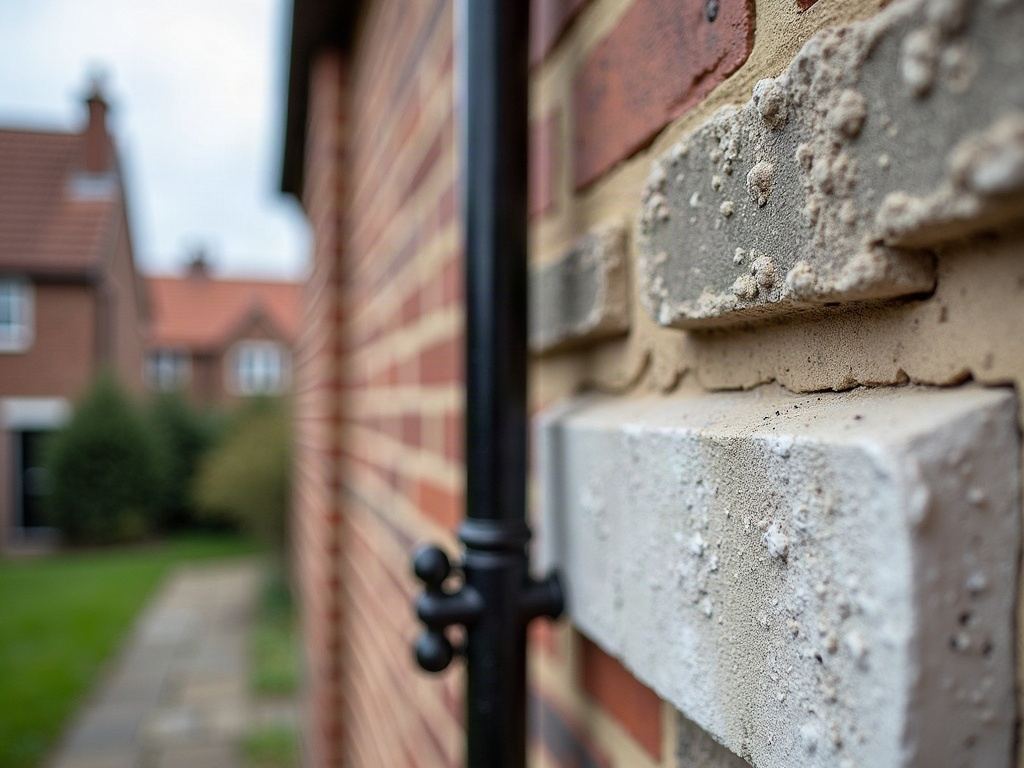
Resin Injection Ground Stabilisation
For minor sinking or voids beneath slabs, resin injection can re-level surfaces without major excavation. It’s often used where access is tight or disruption must be limited.
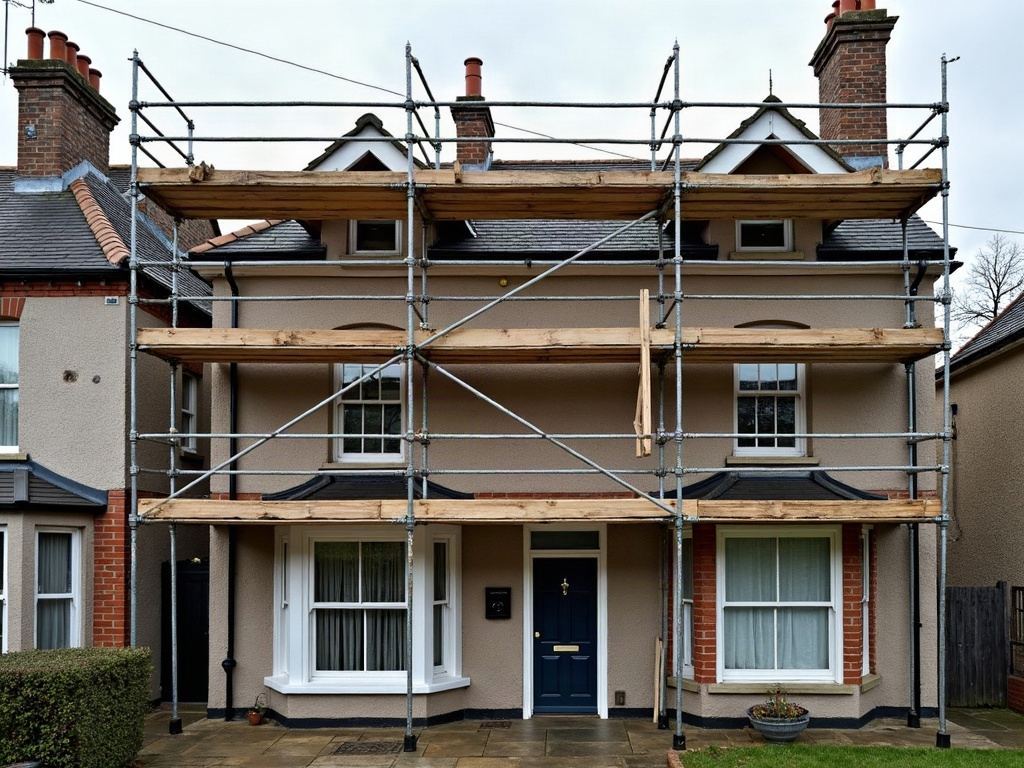
Screw Piling for Foundations
In areas with weak or variable ground, screw piles can transfer load deeper. The specialist decides if they’re suitable based on soil conditions and the structure above.
What you receive after a visit
The specialist documents what they find and gives you clear options. You decide what to do next.
Measured crack records
Every visible crack is logged with its location, width and direction to track whether movement is ongoing or historic.
Drainage and tree assessment
The specialist checks for leaking drains or nearby trees that could be drying out clay soils, both common contributors in this area.
Written findings
You receive a report summarising the likely cause, recommended actions and whether further monitoring is advised.
Insurance-ready documentation
If your policy covers subsidence, the report includes details your insurer may request. You choose whether to submit it.
Local solutions for ground movement
Subsidence help in Woodlesford starts with understanding what’s typical here. A specialist familiar with riverside and former colliery ground knows what to look for.
Underpinning, resin injection or screw piling may be options depending on the property’s age, construction and the ground beneath. The right repair depends on the evidence, not assumptions.
Concrete cracking is common in garages and extensions built on shallow slabs. A specialist distinguishes between harmless shrinkage cracks and those tied to deeper movement.
Questions we hear in Leeds
Is subsidence covered by my buildings insurance?
Many policies cover sudden, unexpected subsidence but not gradual settlement or damage from known issues like leaking drains. Check your policy wording or speak to your insurer; the specialist can provide a report you may choose to send.
How long does an inspection take?
A typical site visit lasts 1–2 hours, depending on the size of your property and access. The specialist examines external and internal walls, floors, and surrounding ground conditions.
Do I need to act straight away?
Not all cracks mean urgent danger. A specialist can tell you whether movement appears active or historic, and whether monitoring over time is safer than immediate repair.
Will work disrupt my daily life?
Minor repairs like resin injection cause little disturbance. Underpinning or piling involves more noise and access but is planned around your routine. The specialist explains disruption before quoting.
What you have read here is general background on subsidence rather than guidance about your own building, and only an inspection can say what holds true at your address.
Get local advice today
There’s no charge for submitting your details, and you’re free to get other quotes after speaking with the specialist.