Subsidence and your buildings insurance
Subsidence damage is often covered by buildings insurance, but only if your policy includes it and you’ve kept up with premiums. Most standard policies in the UK do include subsidence, heave and landslip, but exclusions or excesses can apply, especially on older properties or where previous movement has been noted.
Check your policy wording rather than assuming cover exists. If you suspect movement in your home in Leeds or any of the surrounding areas like Headingley, Rothwell or Wetherby, contact your insurer early. They will usually require a structural report before deciding whether to authorise investigation or repair.
Check your policy wording first
Buildings insurance in the UK typically covers sudden, unexpected structural damage caused by subsidence, heave or landslip, but not all movement qualifies. Policies often exclude damage from gradual settlement, poor workmanship, or failure to maintain drains and trees. You’ll need to read your specific wording or call your insurer before assuming a claim will be accepted.
If you’ve noticed new cracks, sticking doors or sloping floors in your home across Leeds, Pudsey or Morley, don’t delay contacting your insurer, but also understand they may ask for an independent assessment before proceeding. A specialist can produce a report you may choose to send to support your case.
How insurance claims usually work
Your insurer will ask for evidence of movement and its likely cause before agreeing to cover repairs.
Read your policy
Look for 'subsidence', 'heave' or 'landslip' in the list of insured perils. Note any conditions about maintenance or previous claims.
Notify your insurer
Tell them as soon as you notice new cracks, sticking doors or visible movement. Delaying could affect your claim.
Arrange a specialist report
The specialist who takes your enquiry will inspect the property, record crack patterns and assess foundation movement. They produce a written report you may choose to send to your insurer.
Follow their process
Insurers often appoint their own loss adjuster. You can still commission your own specialist for an independent view.

What the specialist checks
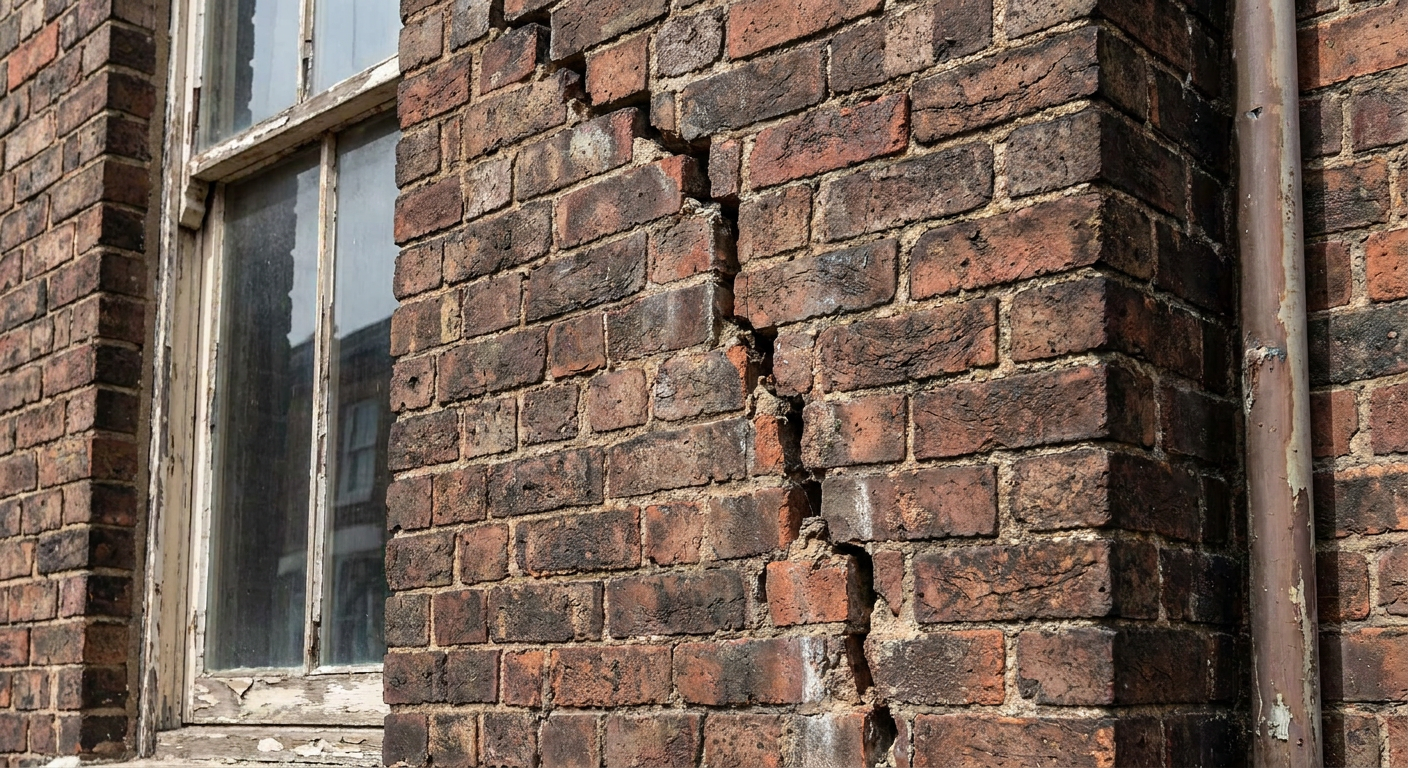
A specialist surveys the whole property, inside and out, looking for tell-tale signs: diagonal cracks wider than 3mm near corners, cracks that step through brickwork, or gaps around windows and doors that weren’t there before. In Leeds, where clay soils dominate, they also check for tree roots, leaking drains or recent changes to landscaping that could dry or soften the ground.
They measure crack widths, note seasonal timing, and often return after a few months to see if movement has stabilised. This monitoring period matters, most insurers won’t pay for repairs until movement has stopped for at least six months.
Why insurers accept these reports
Specialists follow industry-recognised methods when assessing movement. Their reports carry the detail insurers expect.
Crack mapping
Every crack over 1mm is logged with location, width, direction and substrate, brick, render or concrete.
Soil assessment
Local ground conditions are factored in; Leeds sits on boulder clay that shrinks when dry, so tree proximity and drainage are always checked.
Photographic record
Clear, dated photos show crack progression or stability over time, which helps confirm whether movement is active.
Repair rationale
If underpinning, resin injection or screw piling is suggested, the report explains why it’s appropriate for your property type and soil.
What people ask us about subsidence
Does my policy definitely cover subsidence?
Most standard buildings policies in the UK include subsidence, but check your wording. Some exclude it on older homes or if previous movement was disclosed.
Will I lose no-claims discount if I claim?
Subsidence claims usually don’t affect your no-claims bonus, but they may increase future premiums or make it harder to switch insurers.
Can I choose my own specialist?
Yes. While your insurer may appoint a contractor, you’re entitled to get your own assessment and report for your records or to support your case.
What if my claim is refused?
Ask for the reason in writing. If it’s based on a technical point, like lack of proof of movement, you can commission a specialist report to challenge it.
Worth reading next
What we do
Advice
Trees, Clay Soils and Leaking Drains
What to check when your home moves near trees or old drains.
What Happens During a Subsidence Survey
What to expect when a specialist surveys your home for subsidence.
Underpinning or Resin Injection: How the Repair Is Chosen
How a specialist chooses the right repair for your home’s movement.
Advice and guides
Is It Subsidence, or Just an Old Crack?
What different crack patterns mean and when to call a specialist.
A specialist can provide the detailed report they need.
What you have read here is general background on subsidence rather than guidance about your own building, and only an inspection can say what holds true at your address.
Get a report for your insurer
A specialist covering Leeds can inspect your property and give you a clear, factual report to share with your insurance company.