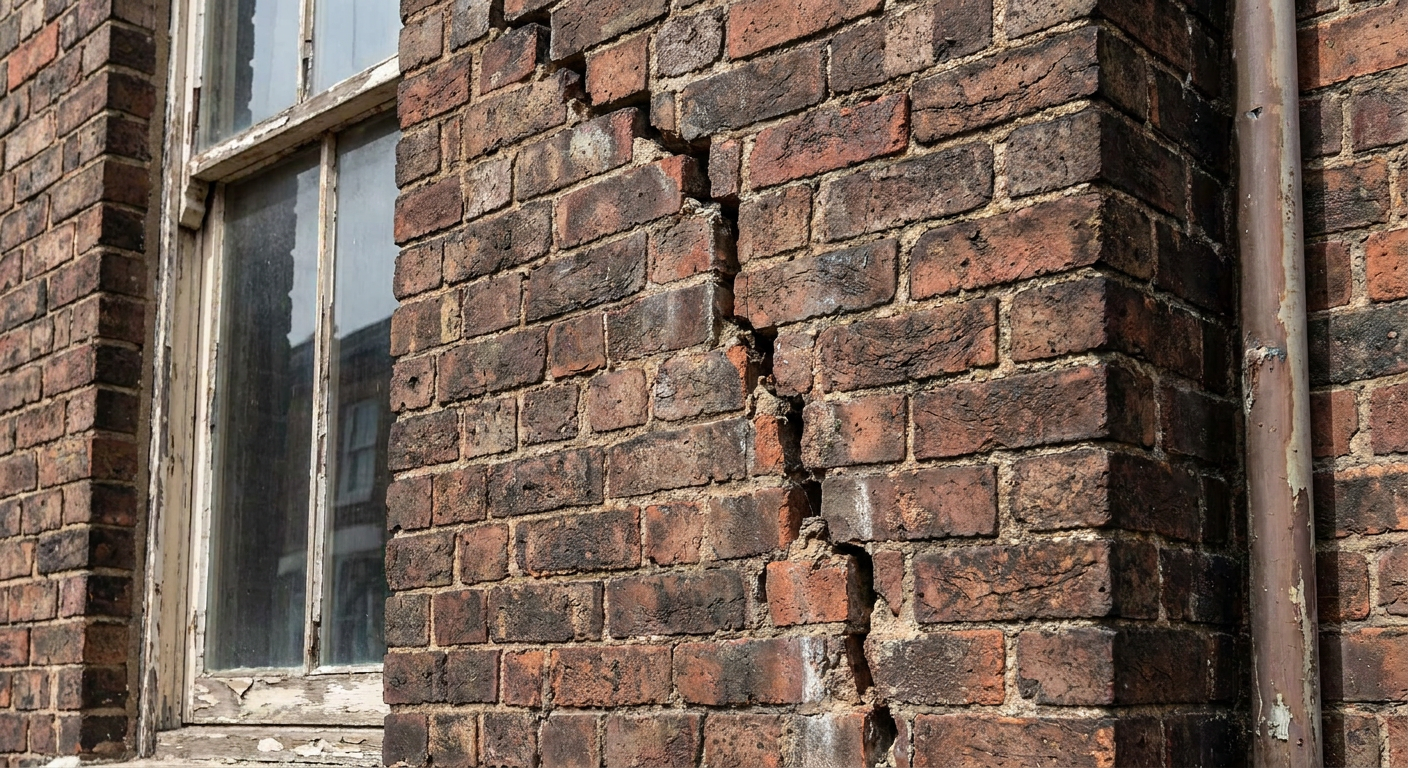
Advice on subsidence in Leeds
Subsidence worries often start with a hairline crack or a sticking door. In Leeds and the surrounding towns, these signs can point to movement that needs checking, or they might just be part of an older property settling. Either way, knowing what to look for and when to act makes a real difference.
What this advice covers
This page explains how to recognise potential subsidence, what steps to take next, and what a specialist will actually do when they visit your home. It draws on common patterns seen across Leeds, from terraced houses in Armley to detached homes in Alwoodley.
You’ll find clear guidance on distinguishing harmless cracks from those that suggest deeper movement, and how soil type, tree roots or leaking drains can play a role in this part of West Yorkshire.
How to respond to suspected subsidence
If you notice new or widening cracks, doors that stick without obvious cause, or rippling wallpaper not explained by damp, the next step is a professional assessment.
Check for fresh cracks
New cracks wider than 3mm, especially if diagonal and near windows or corners, often warrant closer inspection.
Monitor over time
Stick a date-marked piece of tape across a suspect crack; if it tears within weeks, movement is likely still active.
Speak to a specialist
A local specialist can carry out a full survey, assess foundation stability and advise whether repair work is needed.
Contact your insurer
Most buildings insurance policies cover subsidence, but you’ll usually need a specialist’s report before making a claim.

What subsidence investigation involves
A specialist visiting your home in Leeds, Pudsey or Rothwell will start with a visual inspection of internal and external walls, looking at crack patterns, brickwork distortion and floor levels. They’ll note the property’s age, construction type and proximity to trees or drains, factors that matter on clay soils common across much of the area.
Where needed, they may use laser levels, boreholes or trial pits to check foundation depth and soil condition. If movement is confirmed, options such as underpinning, resin injection or screw piling are considered based on the findings and the building’s structure.
Why this approach works
Specialists covering Leeds follow consistent methods to distinguish structural movement from cosmetic cracking. Their conclusions are based on physical evidence, not guesswork.
Crack mapping
Every visible crack is recorded with location, width and orientation to track movement patterns.
Soil assessment
Ground conditions are checked because reactive clay underlies much of Leeds and expands or shrinks with moisture changes.
Drain testing
Leaking drains are a frequent cause of subsidence here; specialists often recommend CCTV surveys to rule them out.
Written reports
You receive a clear report detailing findings, which you can share with your insurer or solicitor if needed.
What people ask us about subsidence
Do all cracks mean subsidence?
No. Hairline cracks in plaster or mortar are common in older homes and often result from seasonal movement or drying shrinkage. Subsidence cracks tend to be wider, diagonal and appear suddenly.
Can trees cause subsidence in Leeds?
Yes, especially on clay soils. Tree roots draw moisture from the ground, causing it to shrink and foundations to drop. This is more common in summer months and affects properties near large, thirsty species like willow or poplar.
Is underpinning always necessary?
Rarely. Most modern subsidence cases in Leeds are resolved without underpinning. Resin injection or managing drainage and vegetation often stabilises the ground effectively.
How long does an investigation take?
An initial site visit usually takes half a day. If monitoring or further tests are needed, the specialist will explain the timeline and keep you informed.
Other pages that may help
About
What we do
Acting early helps confirm whether it’s subsidence or something less serious, and stops minor issues becoming major ones.
What you have read here is general background on subsidence rather than guidance about your own building, and only an inspection can say what holds true at your address.
Get clear answers
Send your details and a specialist covering your part of Leeds will contact you directly.