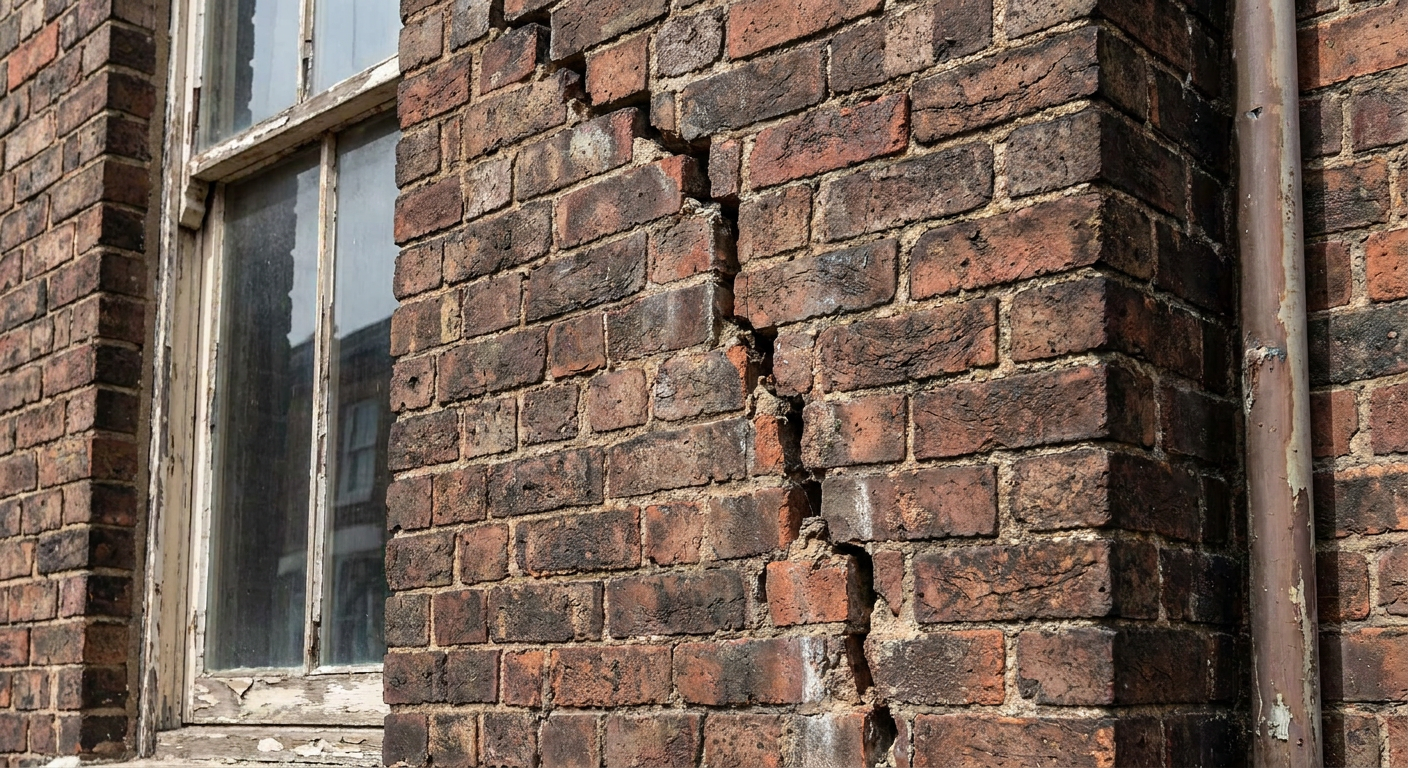
Subsidence help in Rawdon
If you’ve noticed new cracks in your walls, sticking doors or uneven floors in Rawdon, it’s worth getting a clear view of what’s happening beneath your home. Movement can look alarming but isn’t always serious, only a site inspection can tell whether it’s seasonal, structural or something that needs repair.
Rawdon homes and ground conditions
Rawdon sits within the wider Leeds district, sharing its mix of housing ages and types. Many properties here date from the late 19th to mid-20th century, with brick construction common across terraced, semi-detached and detached homes.
The area lies close to the River Aire and has variable ground conditions. While no specific soil notes were supplied for Rawdon itself, nearby parts of West Yorkshire have clay-rich ground that can shrink and swell with seasonal moisture changes.
Signs that may need investigation
Each of these services addresses a different pattern of movement or damage seen in Rawdon homes.

Subsidence Investigation and Advice
A specialist surveys the property to determine whether cracks or distortion are due to foundation movement, thermal expansion, or another cause, and whether further action is needed.
Underpinning Work Explained
Where foundations have lost support, underpinning may be an option. The specialist assesses depth, ground type and access to decide if traditional mass concrete or mini-piled methods suit the property.

Cracked Concrete Floors, Slabs and Walls
Cracks in internal slabs or external concrete panels can signal settlement, poor compaction or reactive ground. A specialist checks their width, direction and timing to judge severity.
Resin Injection Ground Stabilisation
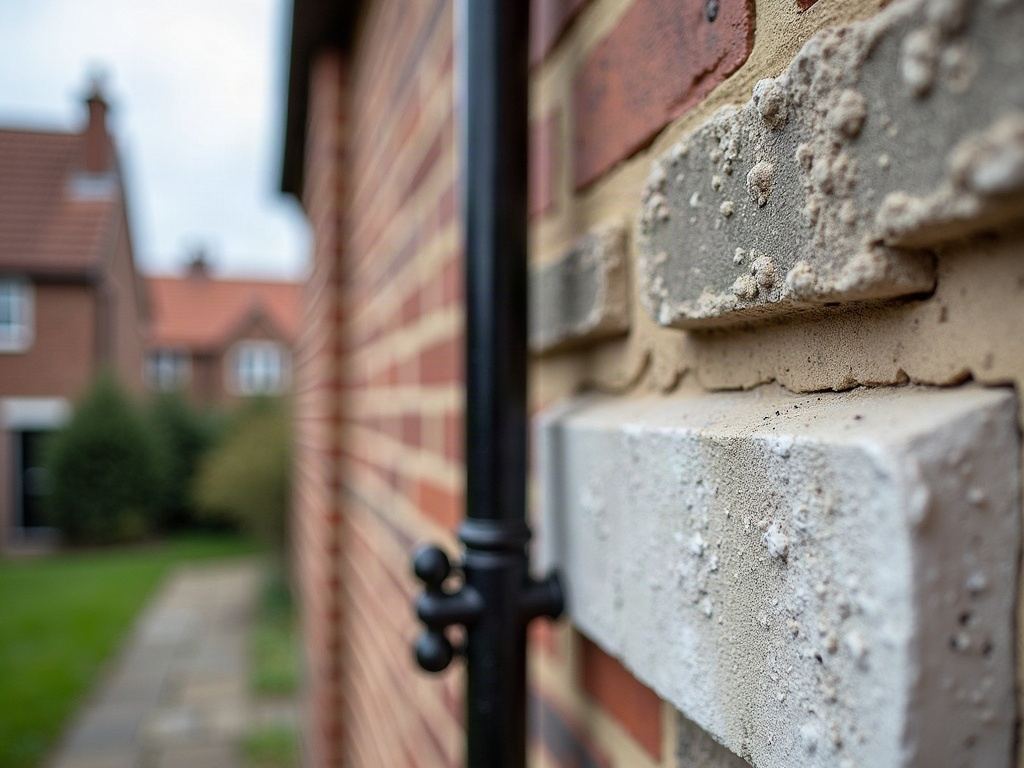
For shallow voids or minor settlement, resin injection can compact loose fill or stabilise soft ground beneath slabs without major excavation, often suitable for rear extensions or paths in older homes.
Screw Piling for Foundations
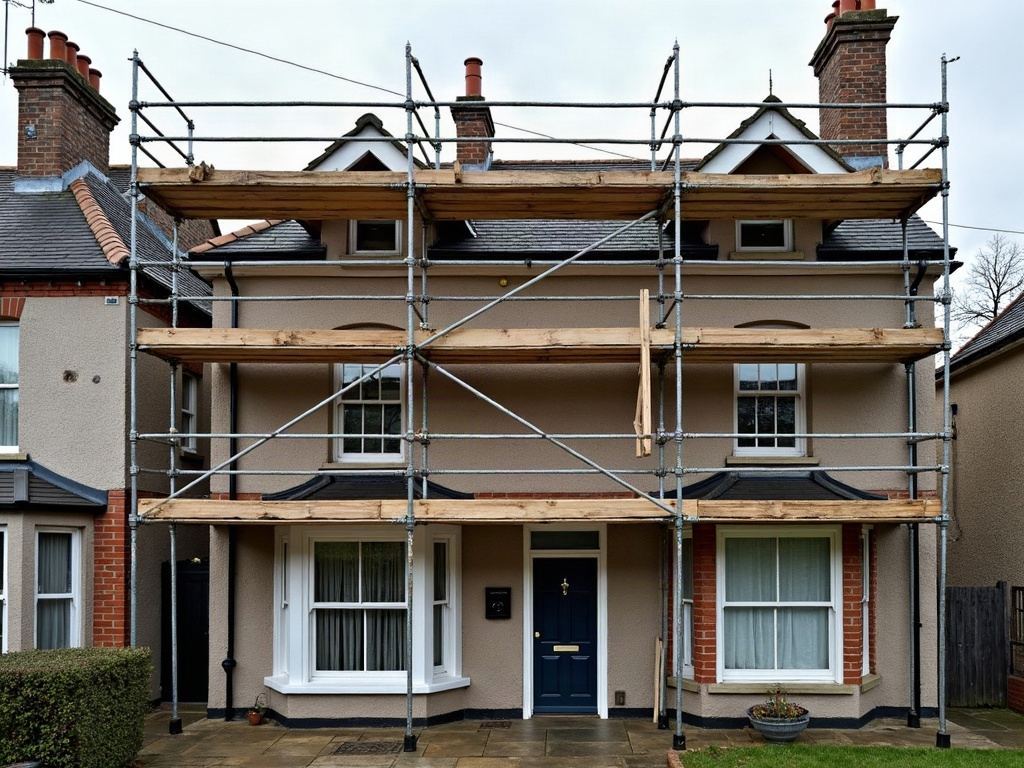
In tight spaces or where deeper support is needed, screw piling offers a low-vibration alternative to traditional underpinning, especially useful on sloping plots or near trees.
What you receive after a visit
The specialist documents findings clearly so you can understand the issue and decide what to do next.
Measured crack mapping
All visible cracks are recorded with location, width and orientation, key for tracking movement over time or supporting an insurance claim.
Photographic evidence
Time-stamped photos show the condition of walls, floors and external features at the time of inspection.
Written summary
You get a plain-language report outlining likely causes, whether the movement appears active, and possible repair options tailored to your property.
Insurance-ready documentation
If your buildings policy covers subsidence, the report includes details your insurer may request, but check your policy first.
Repairs suited to Rawdon properties
Subsidence help in Rawdon covers the full range of diagnostic and remedial work. Specialists here regularly carry out resin injection beneath conservatories and rear extensions where access is limited, and screw piling on older plots with mature trees nearby.
Underpinning is less common but still used where deeper instability is confirmed, typically on pre-1950s homes with shallow footings. Concrete cracking is often assessed alongside drainage checks, since leaking downpipes or blocked gullies can soften ground around foundations even in well-maintained streets like Otley Road or New Road.
What people ask us about subsidence
Do I need to tell my insurer straight away?
Check your buildings insurance policy first. Some require prompt notification, but others advise waiting until a specialist confirms whether it’s subsidence. The specialist can provide a report you may choose to send.
Could tree roots be causing this in Rawdon?
Mature trees near older homes can draw moisture from clay soils, especially in summer. A specialist checks species, distance and soil type to assess whether roots are a factor.
Will the council get involved if it’s subsidence?
Leeds City Council does not investigate private subsidence unless it affects public infrastructure. Repairs and assessments are handled privately between you and your chosen specialist.
How long does a subsidence survey take?
An initial site visit usually takes one to two hours. The specialist may return for monitoring if movement appears active, but many cases are resolved from a single inspection.
What you have read here is general background on subsidence rather than guidance about your own building, and only an inspection can say what holds true at your address.
Get clarity on your home’s movement
Send your details and a specialist covering Rawdon will contact you to discuss what’s happening and what to do next.