
Subsidence help in Batley
If you’ve noticed new or widening cracks in your walls, doors that stick for no reason, or rippling wallpaper not caused by damp, it’s worth getting a clear view of what’s happening beneath your home. Movement like this can be unsettling, but not all of it points to serious foundation trouble.
What a specialist looks for in Batley
Homes across Batley often share construction features with neighbouring Morley and Dewsbury, including older terraced layouts and compact footprints. A specialist assessing movement here pays close attention to how the building ties into adjacent properties, whether rear extensions have settled differently, and if ground levels have changed near shared alleyways.
In areas where former mill or workshop sites were redeveloped, uneven fill material can settle decades later. The specialist checks for patterns typical of shallow foundations on variable ground, especially where downpipes leak or trees have grown close to older brickwork.
Signs that prompt each type of help
Different symptoms suggest different investigations. The services below match what you’re seeing to what a specialist can do.

Subsidence Investigation and Advice
A specialist surveys the property to determine whether observed movement is active subsidence, past settlement or another cause such as thermal expansion.

Underpinning Work Explained
Where foundation depth is insufficient or soil has lost bearing capacity, underpinning may be recommended to stabilise the structure, but only after confirming it’s necessary.

Cracked Concrete Floors, Slabs and Walls
Cracks in internal slabs or garage floors can signal heave, shrinkage or poor compaction; a specialist identifies whether they relate to foundation movement or surface drying.
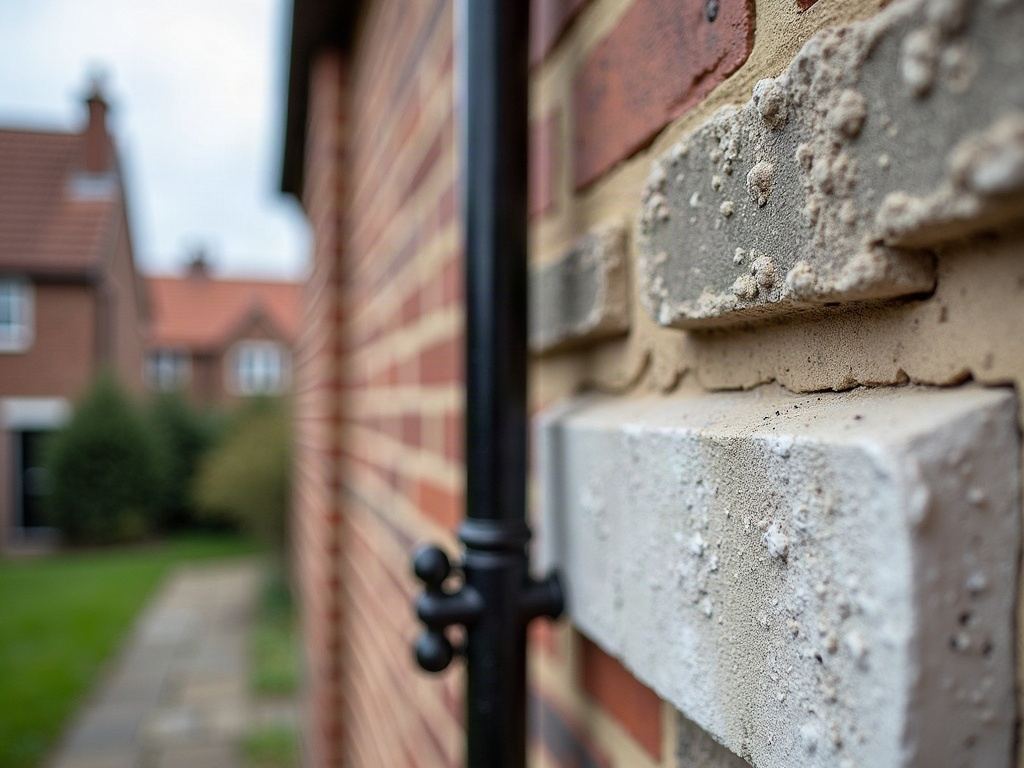
Resin Injection Ground Stabilisation
For localised voids or soft spots beneath slabs or footings, injecting structural resin can re-level and support without major excavation.
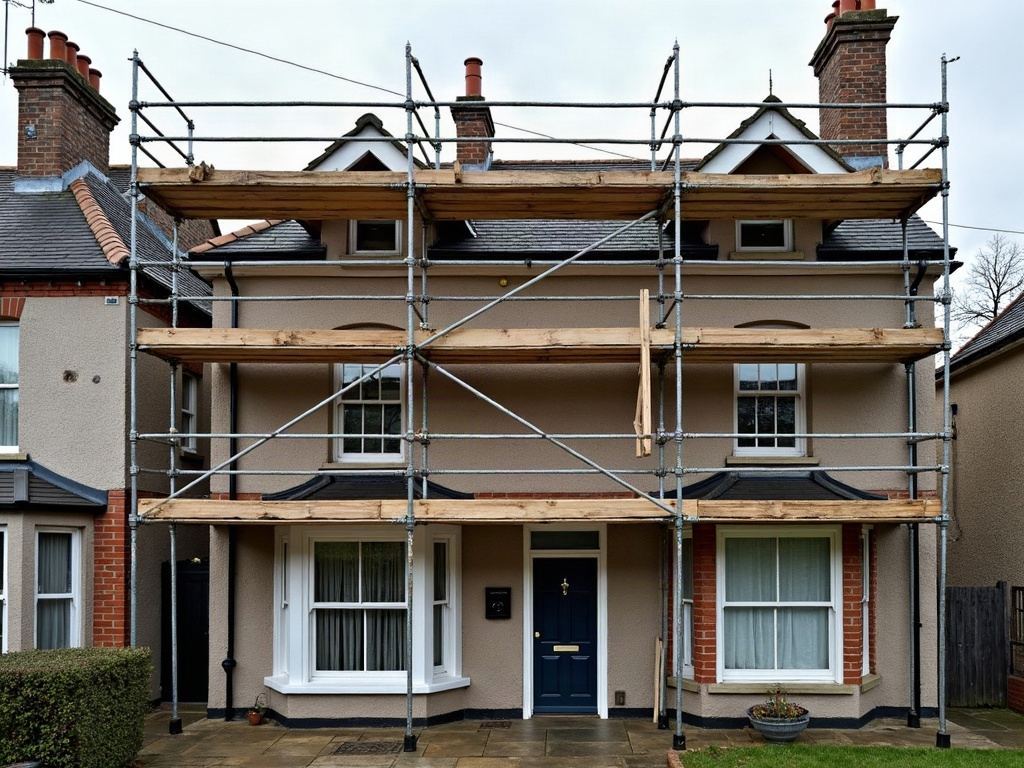
Screw Piling for Foundations
When deeper stable strata exist below weak upper layers, screw piles can transfer load reliably, often used for rear extensions or conservatories showing differential movement.
What you receive after a visit
The specialist documents findings clearly so you can understand the issue and decide what to do next.
Measured crack records
Width, direction and location of every significant crack are logged with reference photos and dated markers to track any change.
Soil and drainage notes
The specialist notes nearby trees, leaking drains or changes in ground level that could affect moisture around your foundations.
Written summary
You get a plain-English report outlining likely causes, whether movement appears active, and possible repair options if needed.
Insurance-ready details
If your buildings insurance covers subsidence, the report includes technical details you may choose to send to your insurer.
Foundation solutions used in this area
Repairs in Batley are chosen to suit narrow plots, shared walls and limited access. Underpinning is only specified where monitoring confirms ongoing movement that threatens structural integrity.
Resin injection and screw piling are often preferred for targeted support, especially under rear additions or where excavations would disrupt neighbours. Concrete floor repairs address both cosmetic cracks and underlying support issues, depending on what the survey shows.
What people ask us about subsidence
Do all cracks mean subsidence?
No. Hairline cracks often come from seasonal temperature changes or minor settlement. Diagonal cracks over windows or doors that widen over time are more likely linked to subsidence.
Will my insurer cover the repair?
Many buildings insurance policies include subsidence cover, but excesses can be high. Check your policy wording or speak to your insurer; the specialist can supply a report if needed.
How long does an inspection take?
A typical site visit lasts 1–2 hours. The specialist examines internal and external walls, checks levels, and may lift floorboards or inspect drains if accessible.
Can I stay in the house during repairs?
Most subsidence repairs, including resin injection or screw piling, allow you to remain in the property. Major underpinning may require temporary relocation depending on the work area.
What you have read here is general background on subsidence rather than guidance about your own building, and only an inspection can say what holds true at your address.
Get clarity on your home’s movement
There is no charge for submitting an enquiry, and you are free to obtain other quotations after speaking with the specialist.