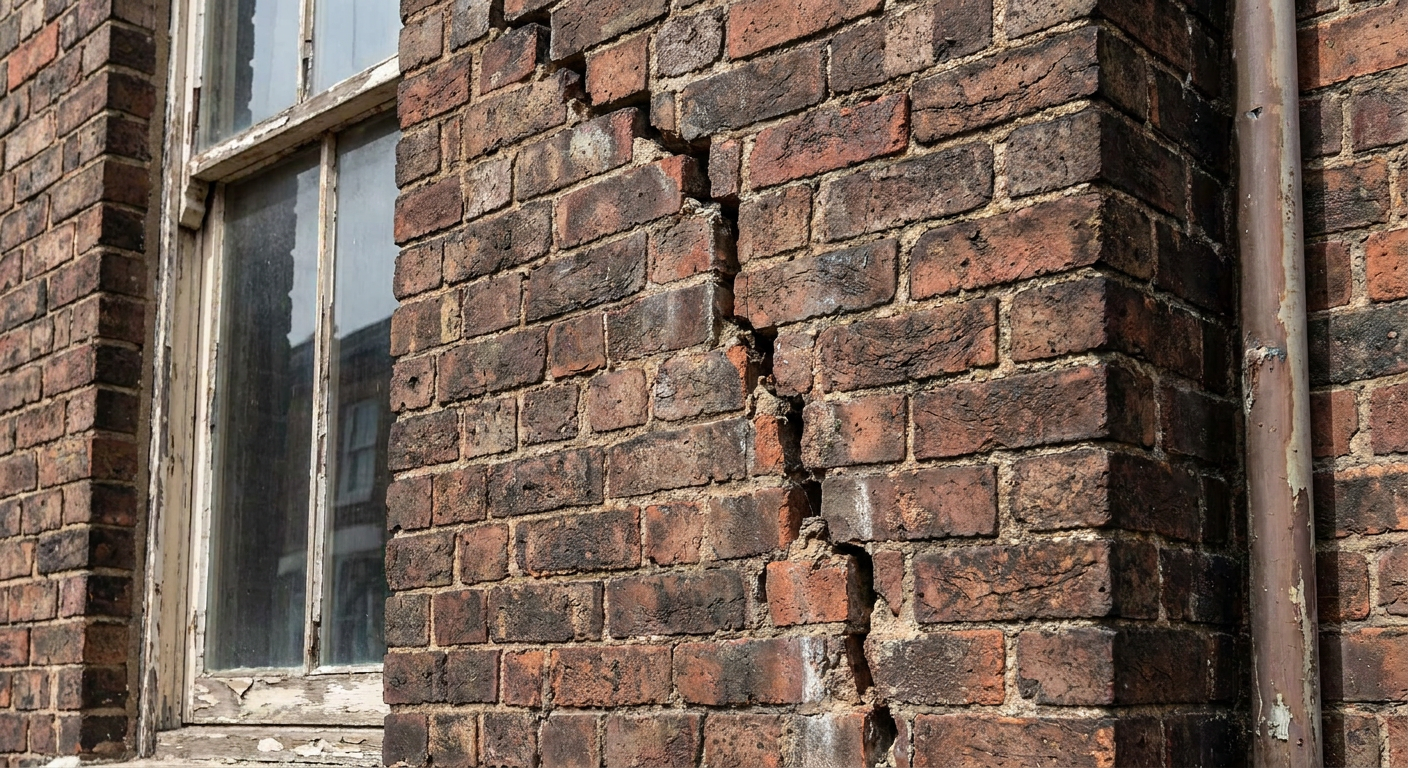
Subsidence help in Tadcaster
If you’ve noticed new cracks in walls, sticking doors or uneven floors in your Tadcaster home, it’s worth getting them checked. Movement can be harmless, but some patterns suggest underlying ground issues that need expert assessment.
Tadcaster homes and movement concerns
Tadcaster sits on the eastern edge of the Leeds area, with a mix of older stone-built properties and brick terraces alongside newer developments. Many homes were built before modern foundation standards, so seasonal movement or changes in ground conditions can show up as cracks or misaligned openings.
Because the town lies near the River Wharfe, drainage changes or buried features from past land use can occasionally affect stability. A specialist familiar with this part of West Yorkshire will know which signs matter and which are typical for local housing.
Signs we see in Tadcaster homes
These are common indicators reported by residents, and what each service investigates.

Subsidence Investigation and Advice
A specialist surveys the property to determine whether cracks, sticking windows or sloping floors result from ground movement, thermal expansion or another cause.

Underpinning Work Explained
Where foundations have lost support, underpinning may restore stability. The specialist assesses depth, soil type and access to decide if it’s appropriate.

Cracked Concrete Floors, Slabs and Walls
Hairline cracks in floor slabs or internal walls often stem from shrinkage, but wider or stepped cracks could indicate settlement needing further checks.
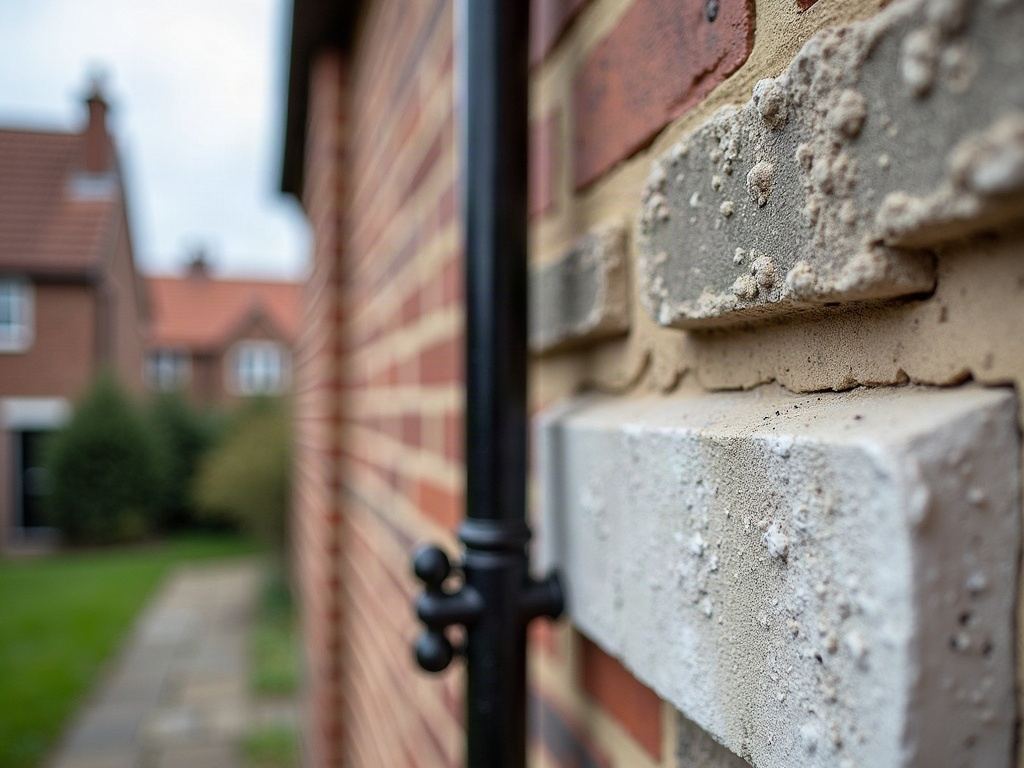
Resin Injection Ground Stabilisation
This method fills voids or compacts loose soil beneath slabs. It’s often used where access is tight or traditional underpinning isn’t practical.
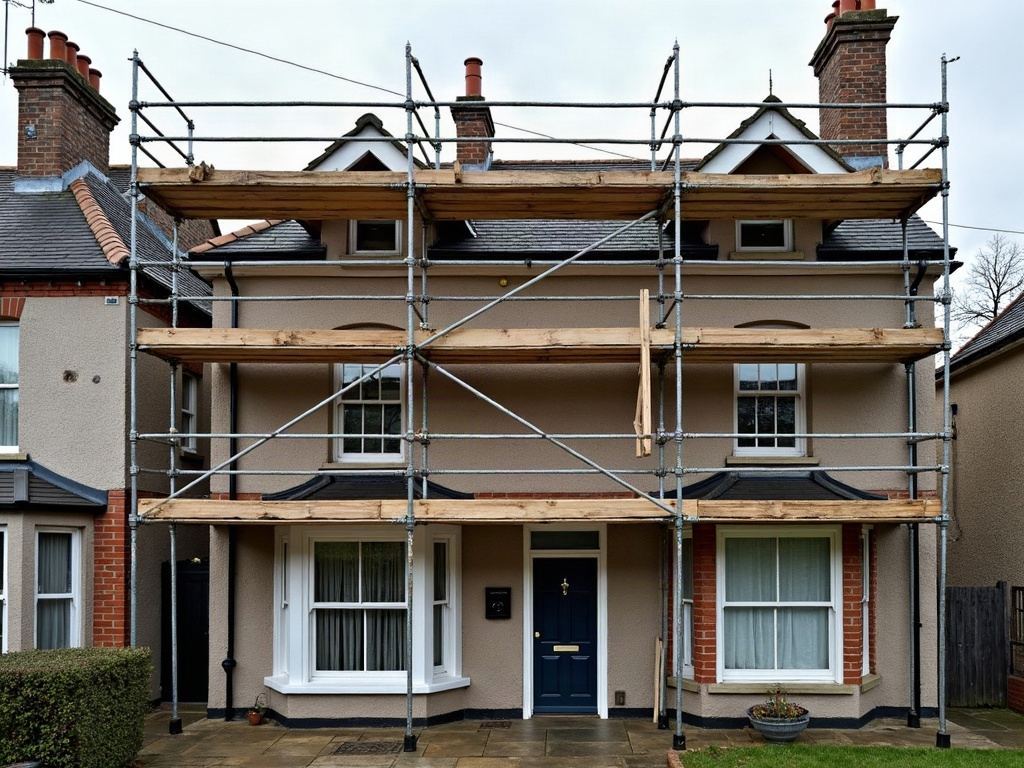
Screw Piling for Foundations
Steel piles are screwed deep into stable ground to support weakened foundations. This technique suits sites with limited space or variable ground conditions.
What you receive after a visit
The specialist documents findings clearly so you understand the issue and your options.
Measured crack records
Width, direction and location of every crack are logged with reference photos, showing whether movement is active or historic.
Drainage and tree assessment
The specialist checks for leaking drains or nearby trees that could be drawing moisture from clay soils, a known factor in parts of West Yorkshire.
Written technical report
You get a clear report detailing observations, likely causes and possible repair methods, useful if you contact your buildings insurer.
No-obligation discussion
After the inspection, the specialist explains what’s needed, if anything, and you decide whether to proceed with repairs.
Repairs suited to Tadcaster properties
Subsidence help here starts with identifying whether movement is structural or cosmetic. In older stone cottages or brick terraces, minor cracking is common, but diagonal cracks over doorways or widening gaps between walls and ceilings often prompt a closer look.
Where work is needed, resin injection or screw piling can be less disruptive than traditional underpinning, especially on narrow plots near the river or in conservation areas. The specialist chooses the method based on ground conditions, access and the building’s construction, not a standard template.
Many Tadcaster homeowners also ask about insurance. While some policies cover sudden subsidence, others exclude gradual movement. The specialist’s report gives you the detail to discuss your claim with your insurer.
Other pages that may help
What people ask us about subsidence
Do all cracks mean subsidence?
No. Hairline cracks in plaster or mortar are common in older homes and often result from thermal movement or drying shrinkage. Diagonal cracks wider than 3mm, especially near openings, are more likely to indicate foundation movement.
Will my insurance cover this?
Many buildings insurance policies include subsidence cover, but terms vary. Check your policy or speak to your insurer. The specialist can provide a report you may choose to send them.
How soon can someone visit?
The specialist who takes your enquiry will contact you directly to arrange a convenient time. You are free to obtain other quotes before deciding on any work.
Is Tadcaster prone to subsidence?
Like much of the Leeds area, Tadcaster has pockets of clay-rich ground that can shrink and swell with moisture changes. Older homes with shallow foundations are more sensitive to these shifts.
What you have read here is general background on subsidence rather than guidance about your own building, and only an inspection can say what holds true at your address.
Get clarity on your home’s movement
Send your details and a specialist covering Tadcaster will contact you to discuss what they would look for during a visit.